
Diagnosis
Do I need bowel prep for an endometriosis ultrasound?
The short answer
Usually, no bowel prep is needed for a standard transvaginal ultrasound to evaluate suspected endometriosis. Bowel prep is more commonly discussed for specialized imaging of suspected bowel involvement or when the imaging team has a specific protocol.
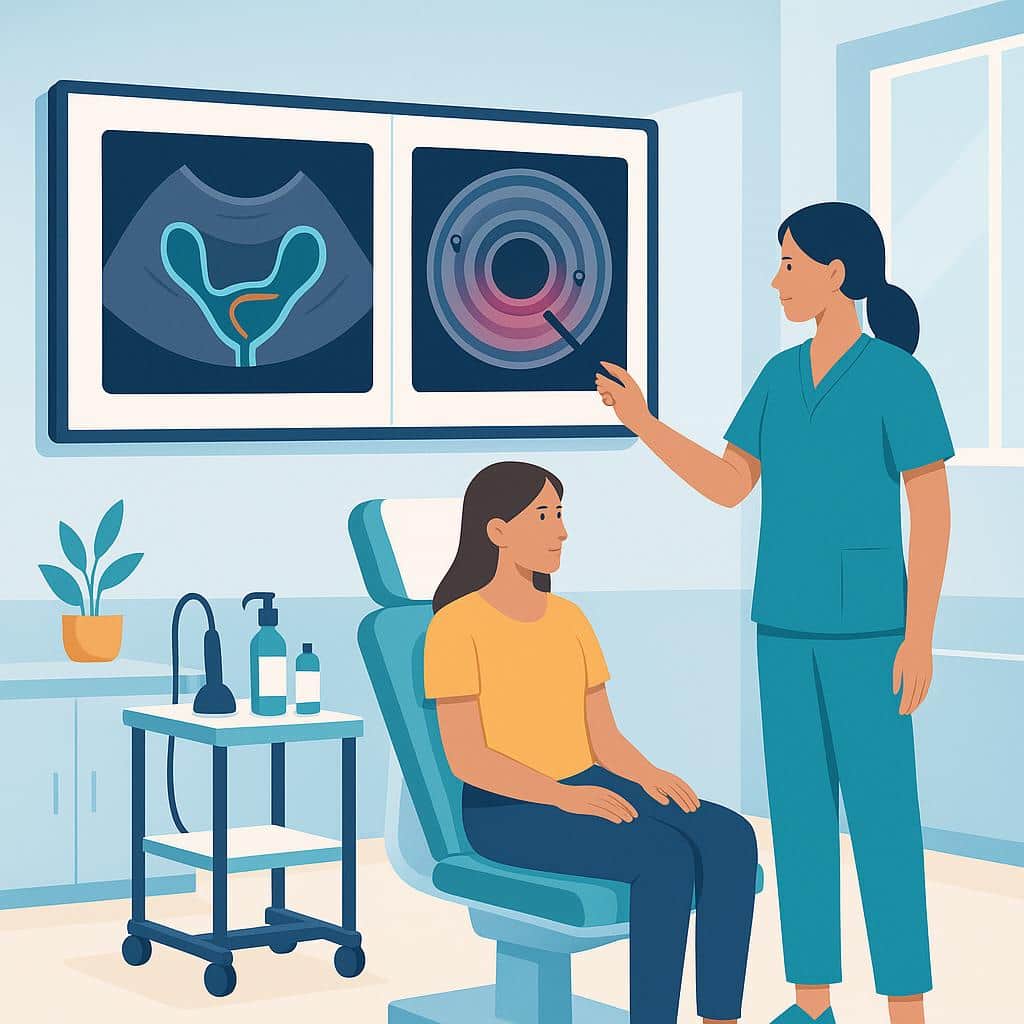
Usually, no bowel prep is needed for a standard transvaginal pelvic ultrasound used to evaluate suspected endometriosis. Most patients can eat, drink, and take medications as normal unless the imaging center gives you different instructions. The key is to arrive with the bladder filling they request.
Bowel prep is more commonly discussed when we’re specifically trying to map suspected bowel deep endometriosis (especially rectal involvement) with specialized imaging like an endorectal ultrasound, or when a radiology team uses a particular protocol to improve visibility of the bowel wall and surrounding tissues. If your symptoms suggest bowel involvement, our team focuses on choosing the right type of imaging and the right interpretation so the results help guide next steps.
If you’re unsure what test you’re scheduled for, reach out to confirm whether it’s a routine transvaginal ultrasound or a bowel-focused study and what preparation, if any, is expected. We can also help you decide whether additional mapping would be useful based on your symptom pattern and exam findings.
Where to go from here
Understand it, compare it with what you're feeling, then talk it through with us.
Step 1 · Understand
Understand the condition
Step 3 · Speak with Us
Prepare Right for Your Ultrasound
Most standard endometriosis ultrasounds don’t require bowel prep, so you can often eat and drink normally. Our specialists ensure you understand any specific instructions to get the clearest diagnosis possible.
Questions people ask next
All diagnosis questionsHow do I prepare for an endometriosis ultrasound, and will it hurt?
Preparation depends on the ultrasound type; pressure and sometimes mild cramping should be tolerable. Transvaginal scans typically need an empty bladder, while abdominal scans may need a full bladder. A light bowel prep may be recommended if bowel involvement is a concern.
Standard pelvic ultrasound vs endometriosis-focused scan: what’s different?
A standard pelvic ultrasound surveys the uterus and ovaries, while an endometriosis-focused scan uses targeted imaging and checks how pelvic organs move against each other. A standard scan may miss deep disease or scarring; a focused scan can help with surgical planning.
What is an endometriosis ultrasound mapping exam?
An endometriosis ultrasound mapping exam is a specialized pelvic ultrasound to identify where endometriosis is suspected. In experienced hands, it looks for signs of deep disease and possible bowel involvement to help plan surgery, but imaging can miss disease.
When is pelvic MRI recommended for suspected endometriosis?
Pelvic MRI is most helpful when deep endometriosis is suspected and is commonly used when a high-quality ultrasound doesn’t fully explain symptoms. It can help plan surgery and may be considered if symptoms persist despite treatment and results could change next steps.
Further reading
Do You Need Two Ultrasounds Before Bowel Endometriosis Surgery?
How TVS (transvaginal) and ERUS (endorectal) map rectal endometriosis, guide bowel surgery planning, flag stenosis and risks, and who benefits.
Can Scans and Tests Find Endometriosis? Know the Limits
Discover why ultrasounds may miss endometriosis. Learn about imaging limits and recent research in our latest blog. Find clarity in your diagnosis.
Bowel Endometriosis: Causes, Symptoms, and Treatment
Bowel endometriosis explained: locations, symptoms, causes, diagnosis and misdiagnosis, plus treatments from minimally invasive surgery to lifestyle changes.