
Diagnosis
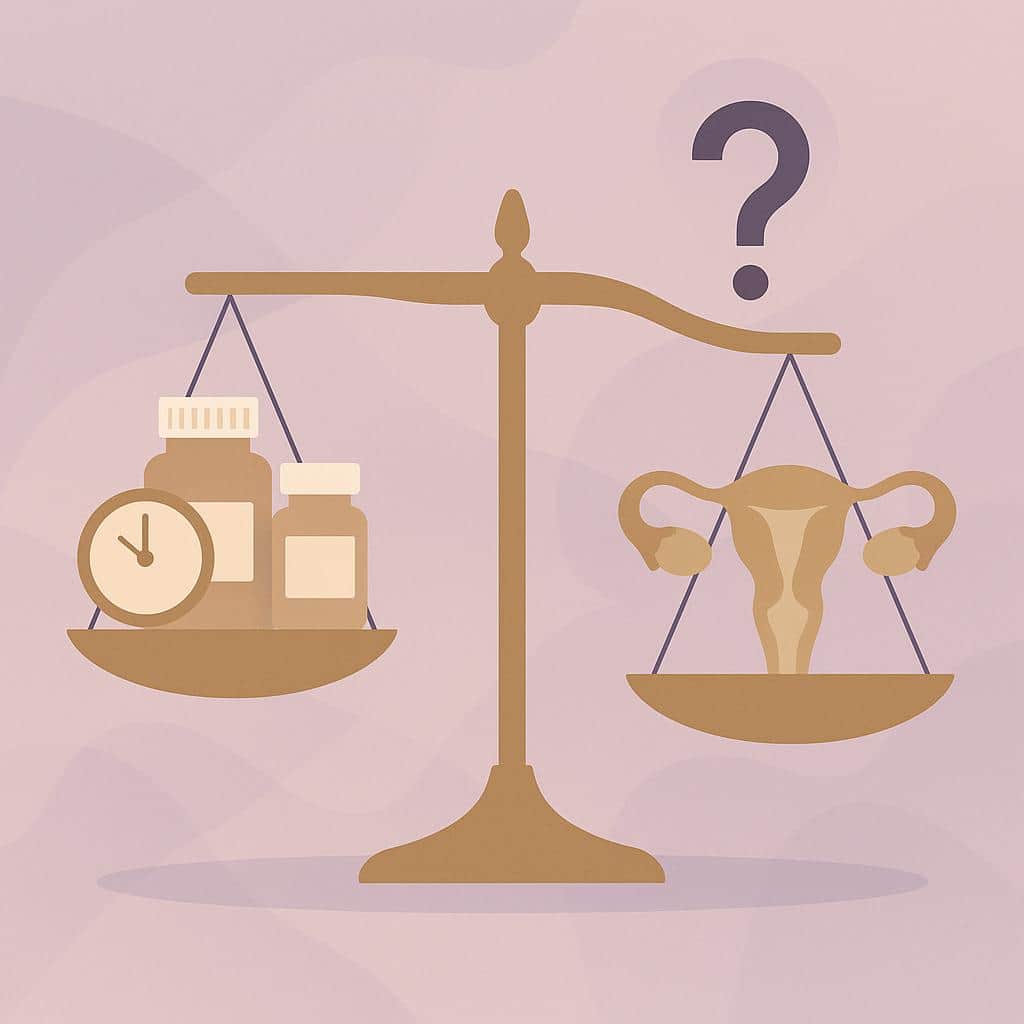
Does hormonal birth control hide endometriosis on imaging?
The short answer
Hormonal birth control can make endometriosis harder to suspect on imaging by quieting inflammation and bleeding, but it does not reliably erase disease. Scans can look normal even when endometriosis is present, though expert review can still identify certain patterns.
Hormonal birth control can absolutely make endometriosis harder to suspect on imaging, not because it reliably erases disease, but because it can quiet the inflammation and bleeding that make findings more obvious. Many endometriosis lesions (especially superficial disease) aren’t consistently visible on ultrasound or MRI to begin with, so symptom suppression can create a false sense of calm, with scans looking normal even when endometriosis is still present.
That said, imaging interpreted by an expert can still identify certain patterns (like ovarian endometriomas, deep infiltrating disease, adhesions, and related conditions such as adenomyosis) even if you’re on hormones. When we evaluate you, we don’t rely on imaging alone; we combine your symptom history and flare patterns with a careful exam and targeted imaging review to distinguish endometriosis from look-alike or coexisting causes of pelvic pain. If you’re worried that birth control is masking what’s going on, reach out to our team. We can help map out a diagnostic plan that doesn’t depend on a single test.
Where to go from here
Understand it, compare it with what you're feeling, then talk it through with us.
Step 2 · Compare
Symptoms it can relate to
Step 3 · Speak with Us
Worried About Hidden Endometriosis?
Hormonal birth control can mask signs of endometriosis on scans, making diagnosis tricky. Our specialists understand these challenges and use expert imaging and evaluation to uncover the truth.
Questions people ask next
All diagnosis questionsCan endometriosis be present with normal ultrasound and MRI?
Yes, it’s very possible to have endometriosis even when ultrasound and MRI are normal. Scans can miss superficial implants, small lesions, or disease in less-visible areas, so normal imaging should not automatically rule it out when symptoms persist.
Should I trust normal imaging if symptoms persist?
A normal ultrasound or MRI can be reassuring, but it doesn’t automatically explain away ongoing symptoms. Endometriosis, and sometimes adenomyosis, can still be present, so your symptom history remains the primary guide when symptoms persist.
Can imaging be negative and still help plan endometriosis surgery?
Yes, imaging can be negative and still help plan endometriosis surgery. Small or superficial disease may not show up, but imaging can help map deeper disease and assess whether nearby organs may be involved, helping plan the surgical team and anticipate complexity.
Do hormones or birth control treat endometriosis?
Hormonal birth control and other hormone therapies can reduce endometriosis symptoms, but they usually don’t treat the disease itself. They don’t remove endometriosis lesions or restore normal anatomy, so pain can return when you stop them.
Further reading
Hormonal Therapy Risks Without Surgical Diagnosis: What Patients Should Know
Explore the risks of hormonal therapy without surgical diagnosis for endometriosis. Learn what patients need to know about treatment options and potential side
Endometriosis Biopsy: A Definitive Method for Diagnosis
Learn when a biopsy is essential for confirming endometriosis or adenomyosis. Explore symptoms, research findings, and options beyond surgery.
What to Do When Your Endometriosis Concerns Are Dismissed
Feeling dismissed with your endometriosis concerns? Discover expert insights on navigating healthcare while seeking validation and appropriate care.