
Surgery
How are adhesions prevented during endometriosis surgery?
The short answer
During endometriosis surgery, thorough disease removal and gentle tissue handling help reduce adhesion risk. A meticulous, minimally invasive approach helps limit bleeding, heat injury and unnecessary trauma, which can increase inflammation.
Adhesions are bands of scar tissue that can form as the body heals after surgery, and endometriosis itself can also drive inflammation and scarring. During excision surgery, we aim to reduce the drivers of adhesion formation by removing disease thoroughly while handling tissues as gently and precisely as possible. A meticulous, minimally invasive approach helps limit bleeding, heat injury, and unnecessary trauma, all of which can increase inflammation and adhesion risk.
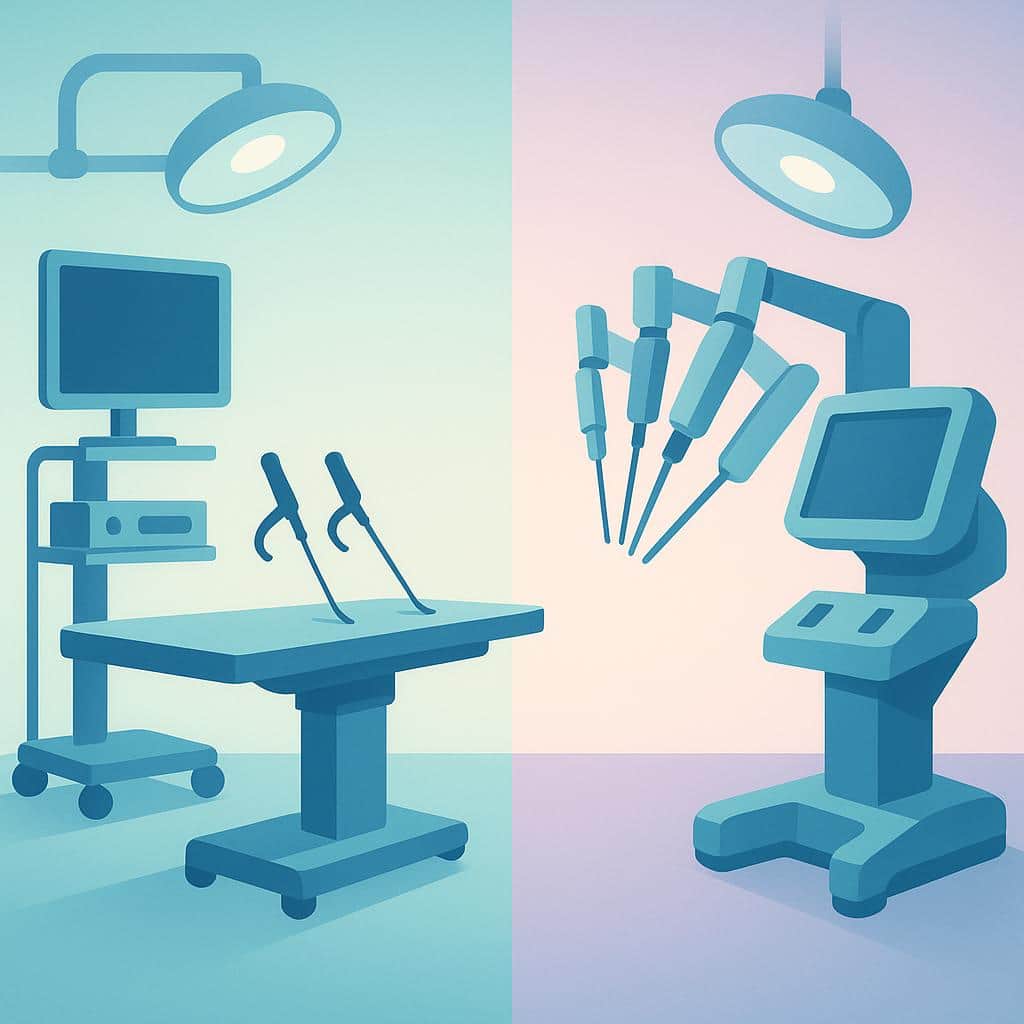
In our practice, robotic excision supports that precision with enhanced 3‑D visualization and wristed instruments, which can be especially helpful in complex or frozen pelvis cases where anatomy is distorted. When endometriosis involves sensitive areas like the bowel, bladder, or ureters, careful dissection and a well-planned team approach matter for both safety during surgery and how your tissues heal afterward. If adhesions are a major concern for you (for pain, fertility, or prior surgical scarring), reach out to schedule a consultation so we can review your history, imaging, and surgical goals and explain how we tailor technique and planning to your anatomy.
Where to go from here
Understand it, compare it with what you're feeling, then talk it through with us.
Step 1 · Understand
Understand the condition
Step 2 · Compare
Symptoms it can relate to
Step 3 · Speak with Us
Minimize Surgical Scars and Adhesions
Our specialists use precise, minimally invasive robotic excision techniques to reduce scar tissue and adhesion formation after surgery. We focus on gentle tissue handling and thorough disease removal to promote better healing and fewer complications.
Questions people ask next
All surgery questionsWhat are the main risks of endometriosis excision, and how are they minimized?
The main risks of endometriosis excision are bleeding, infection, scar tissue (adhesions), and injury to the bowel, bladder or ureters. We minimize these risks with careful surgical planning, meticulous technique to protect organs and nerves, and the right expertise and tools.
Benefits of minimally invasive/robotic surgery for endometriosis?
Minimally invasive and robotic surgery can mean less pain, less blood loss, and a smoother early recovery compared with larger-incision surgery. Enhanced visualization and precise instrument control can help remove endometriosis while minimizing unnecessary tissue trauma.
Is simple laparoscopy enough for endometriosis surgery?
In experienced hands, standard (non-robotic) laparoscopy can be enough to treat endometriosis, especially when disease is limited. The key is the surgeon’s ability to fully identify and safely remove disease; robotic assistance can offer advantages in complex cases.
Further reading
Conventional Laparoscopy vs Robotic Surgery for Endometriosis and Adenomyosis: What Patients Need to Know
Comparing safety, effectiveness, and recovery — a patient-friendly overview of different surgery approaches and what they can mean for your treatment.
Excision vs Ablation: Understanding Endometriosis Surgery Options
Explore excision vs ablation for endometriosis. Learn about surgery options, pain relief, and making informed choices based on your fertility goals.
How to Choose a True Endometriosis Excision Specialist
Finding a skilled endometriosis excision surgeon can be challenging. Learn how to choose the right specialist and navigate financial options with confidence.