Fertility
How do autoimmune conditions affect fertility and pregnancy in endometriosis?
The short answer
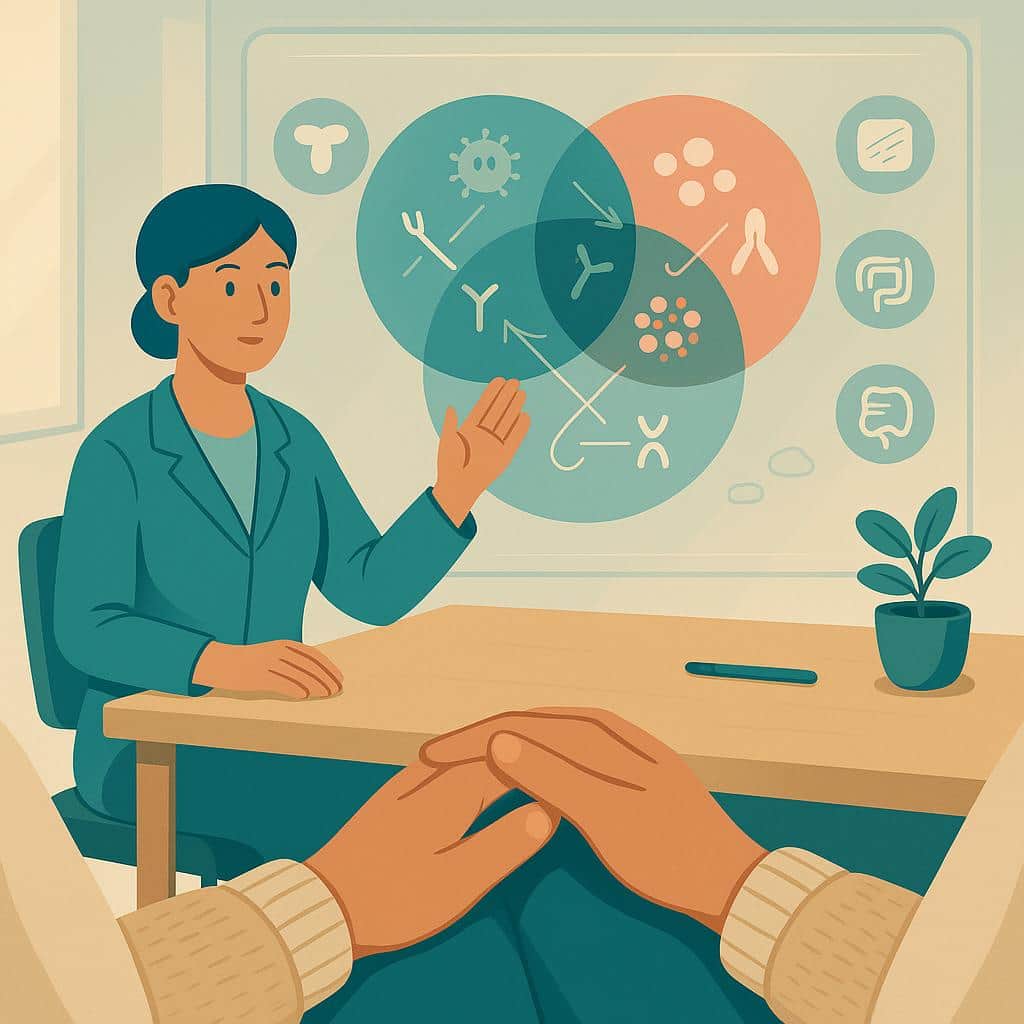
Autoimmune conditions can add inflammation that may affect ovulation, implantation, and early pregnancy stability alongside endometriosis. In our experience, outcomes often improve when the condition is identified and well-controlled before trying to conceive.
Autoimmune conditions can influence fertility and pregnancy alongside endometriosis by adding inflammation and hormone or immune-system disruptions that may affect ovulation, implantation, and early pregnancy stability. In our experience, outcomes often improve when the autoimmune condition is clearly identified and well controlled before trying to conceive, because uncontrolled disease activity can raise the risk of infertility and miscarriage.
The right plan depends on which condition is present: for example, optimizing thyroid levels before conception, maintaining a strict gluten-free diet for confirmed celiac disease, or completing a focused workup if there’s a history of recurrent pregnancy loss. Our team can help you connect the dots between your symptoms, lab findings, and reproductive goals and build a coordinated strategy for preconception and pregnancy monitoring. Reach out to schedule a consultation to discuss your next steps.
Where to go from here
Understand it, compare it with what you're feeling, then talk it through with us.
Step 3 · Speak with Us
Struggling with Fertility & Autoimmune Issues?
Our specialists understand how autoimmune conditions and endometriosis affect your fertility. We tailor treatment plans to improve your chances of a healthy pregnancy.
Questions people ask next
All fertility questionsAutoimmune conditions that coexist with endometriosis: when to test?
Persistent fatigue out of proportion to sleep, heat or cold intolerance, chronic diarrhea, joint pain with swelling or morning stiffness, or dry eyes or mouth warrant a closer look for autoimmune conditions. Testing is based on your symptoms, often starting with thyroid and celiac screening.
Can endometriosis cause miscarriage?
Endometriosis may be associated with a higher risk of miscarriage, but miscarriage is not inevitable. Many people with endometriosis have healthy pregnancies, though inflammation and hormonal or immune factors may play a role in pregnancy loss.
How does endometriosis affect fertility, and when to seek help?
Endometriosis can affect fertility through inflammation and scarring, but many people do conceive. In general, evaluation is recommended after 12 months of trying without success, or 6 months if you’re 35 or older; earlier evaluation is reasonable with severe pain or other risk factors.
Can I use medical therapy while trying to get pregnant?
Hormonal therapies for endometriosis are usually paused while you’re trying to get pregnant because they typically suppress ovulation. Symptom relief during this time can focus on non-hormonal options aligned with your fertility goals and timing.
Further reading
Endometriosis and Autoimmune Disease: Understanding the Link
Explore how immune dysfunction may link endometriosis to autoimmune diseases such as lupus, RA, thyroid disease, celiac, MS, and IBD - evidence and care.
Endometriosis and Miscarriage: What Research Suggests
Learn how endometriosis may affect miscarriage risk, the roles of inflammation, hormones, and surgery, what current studies show, and ways to manage fertility.
The Overlap Between Lupus and Endometriosis
Explore the link between lupus (SLE) and endometriosis: outcomes, key results, clinical implications, and priorities for future research.