

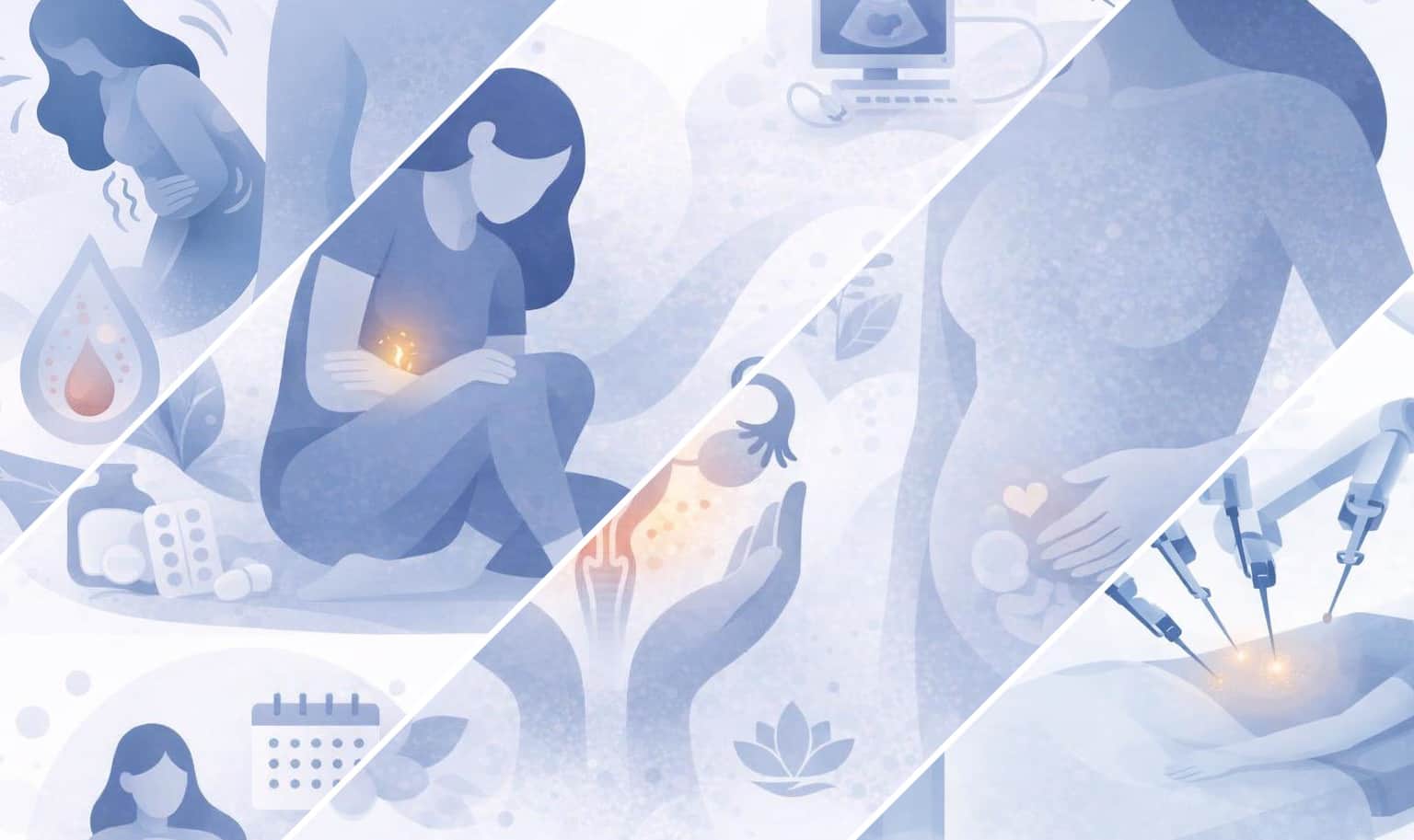

Endometriosis and Miscarriage: What Research Suggests
What the evidence says about miscarriage risk in endometriosis—mechanisms, treatment effects, and ways to cope.
Understanding the Condition and Its Impact
Endometriosis affects approximately 10% of women worldwide. While it is well known for causing chronic pain and infertility, its potential relationship with miscarriage is less widely recognized. This article explores the connection between endometriosis and miscarriage, drawing on current research and expert perspectives.
What Is Endometriosis?
Endometriosis is a chronic condition in which tissue similar to the uterine lining (endometrium) grows outside the uterus. These growths may appear on the ovaries, fallopian tubes, or the lining of the pelvic cavity. Like the uterine lining, this tissue thickens, breaks down, and bleeds with each menstrual cycle. However, because it is displaced outside the uterus and cannot exit the body, it can lead to a range of problems.
Read more: What causes endometriosis?
How Endometriosis Develops (Pathogenesis and Staging)
The American Society for Reproductive Medicine classifies endometriosis into four stages based on severity:
- Stage I: Minimal
- Stage II: Mild
- Stage III: Moderate
- Stage IV: Severe
Staging reflects the extent, location, and depth of endometrial-like tissue growth, as well as the presence and severity of adhesions and the presence and size of ovarian endometriomas.
Common Symptoms
Some individuals with endometriosis have no symptoms. Others may experience:
- Painful periods
- Pain during intercourse
- Pain with bowel movements or urination
- Excessive bleeding
- Infertility
- Additional symptoms such as fatigue, diarrhea, constipation, bloating, or nausea
Endometriosis and Pregnancy Outcomes
Endometriosis has long been linked with infertility; studies indicate that up to 50% of women with infertility have this condition. Less is known about outcomes among those who do conceive. Emerging research suggests higher risks of certain complications, including preterm birth, cesarean delivery, and miscarriage.
Miscarriage and Endometriosis: What We Know
Miscarriage (spontaneous abortion) is defined as pregnancy loss before 20 weeks of gestation. About 10–20% of known pregnancies end in miscarriage, though the true rate may be higher because many losses occur very early—before a person realizes they are pregnant.
Worried About Miscarriage Risks?
Our specialists are here to help you understand your condition and explore your treatment options.
Book a ConsultationPossible Biological Links
- Inflammation: Endometriosis is marked by chronic pelvic inflammation, which could disrupt embryo implantation or early placental development.
- Surgical Treatment: Few clinical trials have been conducted, and they do not indicate that surgical excision reduces miscarriage risk. However, two very large databases from Sweden and Scotland suggest that removing known endometriosis may lower the risk of pregnancy loss. More research is needed.
- Hormonal Factors: Endometriosis can alter the uterine hormonal environment, which might affect early pregnancy. Further study is required to understand these effects.
Research Highlights on Miscarriage Risk
A 2020 meta-analysis published in BioMed Research International found that women with endometriosis have a significantly higher risk of miscarriage compared to women without endometriosis. The increased risk was especially notable among women who conceived naturally, rather than those with tubal infertility who conceived using assisted reproductive technology (ART).
Coping and Next Steps
Hearing that endometriosis may raise miscarriage risk can be distressing. Many women with endometriosis, however, go on to have successful pregnancies. Counseling and treatment should be tailored to the individual. In cases of repeated losses, multiple factors may be involved, and endometriosis appears to be one of the potential contributors.
Read more: Finding an Endometriosis Specialist for Diagnosis, Treatment, & Surgery.
Conclusion
Endometriosis is a complex condition that can affect fertility and pregnancy outcomes. While research indicates a possible link with miscarriage, many people with endometriosis have healthy pregnancies. If you have endometriosis or suspect you may have it and are facing difficulties conceiving or experiencing pregnancy losses, consider seeking evaluation by an endometriosis specialist.
Quick Answers
Is hormonal suppression safe while breastfeeding postpartum?
In general, some forms of postpartum hormonal suppression can be compatible with breastfeeding, but safety depends on which medication you’re considering and your goals (pain control, bleeding control, contraception, or all three). Progestin-only options and the levonorgestrel hormonal IUD are commonly used postpartum because they can reduce bleeding and cramping for many patients without the deep, whole-body estrogen suppression that can come with stronger agents.
We’re more cautious with medications designed to drastically lower estrogen (such as GnRH agonists/antagonists), because profound estrogen suppression can carry meaningful side effects and isn’t a long-term solution for endometriosis. It may quiet symptoms without treating the disease. If you’re breastfeeding and symptoms of suspected endometriosis or adenomyosis are returning postpartum, our team can help you weigh symptom relief, lactation goals, side-effect risk, and the broader plan for reaching a lasting diagnosis and treatment pathway.
If you tell us what you’re considering (pill, shot, implant, or IUD, and whether you’re exclusively breastfeeding), we can guide you toward options that fit your postpartum needs while keeping the focus on long-term relief rather than temporary suppression.
When does fertility return after childbirth with endometriosis?
Fertility can return surprisingly soon after birth, even if you have endometriosis, because ovulation often happens before your first postpartum period. The main factors in when you become fertile again are breastfeeding patterns, how quickly your cycles restart, and whether you’re using hormonal suppression postpartum (which can also help keep endometriosis symptoms quieter).
With exclusive, frequent breastfeeding, many people go longer without ovulating, but this isn’t reliable contraception, and fertility can still return earlier than expected. If your periods come back, that’s a strong sign your ovaries are active again, though you can ovulate before the first bleed. If you’re trying to conceive again or, just as importantly, trying to avoid an unplanned pregnancy while managing endometriosis symptoms, our team can help you develop a postpartum plan that fits your goals and minimizes flares.
Can adenomyosis cause chemical pregnancies?
Adenomyosis can be associated with fertility challenges, and for some patients it may contribute to very early pregnancy loss (often called a chemical pregnancy). While we can’t say adenomyosis is the only or even the most common cause of a chemical pregnancy, it can change the uterine environment in ways that may interfere with implantation and early embryo development, including increased inflammation within the uterine muscle and altered uterine contractions.
It’s also common for adenomyosis to overlap with endometriosis, and that overlap can introduce additional factors that may affect implantation and early pregnancy. If you’re experiencing recurrent chemical pregnancies (especially alongside heavy bleeding, painful periods, or pelvic pain), our team can help you evaluate whether adenomyosis, endometriosis, or both may be part of the picture and what uterus-sparing options might make sense for your goals. You can learn more on our site or reach out to schedule a consultation so we can review your history and imaging and map out next steps.
What tests are done after two miscarriages with endometriosis?
After two miscarriages, our goal is to look beyond endometriosis as a single explanation and identify all the factors that can affect implantation and early placental development. We start by reviewing your full history in detail, including loss timing, symptoms, prior imaging, surgeries, cycle patterns, and any fertility treatments, because the pattern of your losses often guides what to test first. We typically include expertly interpreted pelvic imaging, often ultrasound and, when helpful, MRI, to look for endometriosis features (like endometriomas), adenomyosis, uterine shape issues, and other pelvic conditions that can coexist with endo.
Because endometriosis can overlap with immune, inflammatory, and hormonal drivers, we may also evaluate thyroid function and other endocrine factors, and consider autoimmune overlap when symptoms or history point that way. If your symptoms suggest contributors outside the uterus and ovaries, we may broaden the workup to related conditions that can worsen inflammation or pelvic dysfunction, rather than stopping at a standard checklist. If you’d like, you can reach out to schedule a consultation so our team can tailor a miscarriage evaluation plan to your history and goals, and help you understand which findings are most actionable for your next steps.
Can endometriosis cause miscarriage?
Yes, endometriosis may be associated with a higher risk of miscarriage, although this does not mean miscarriage is inevitable. Many people with endometriosis conceive and have healthy pregnancies, but research suggests that pregnancy outcomes can be affected in some patients, especially depending on the subtype, severity, and overall inflammatory burden.
We think the connection is likely multifactorial. Endometriosis is associated with chronic inflammation and changes in the pelvic and uterine environment, which may interfere with implantation or early placental development in some cases. Hormonal and immune factors may also play a role. If you’ve experienced a loss (or recurrent losses) and have known or suspected endometriosis, our team can help evaluate the full picture and discuss whether an approach involving surgical diagnosis and excision makes sense as part of a fertility-focused plan.