
General
Is acupuncture safe with hormones, NSAIDs, blood thinners, pregnancy, or IVF?
The short answer
Acupuncture typically doesn’t pose a specific safety conflict with hormones or NSAIDs, but blood thinners can increase bruising or bleeding. Sessions should be planned with pregnancy in mind; during IVF, it may support comfort and stress but hasn’t consistently improved live-birth rates.
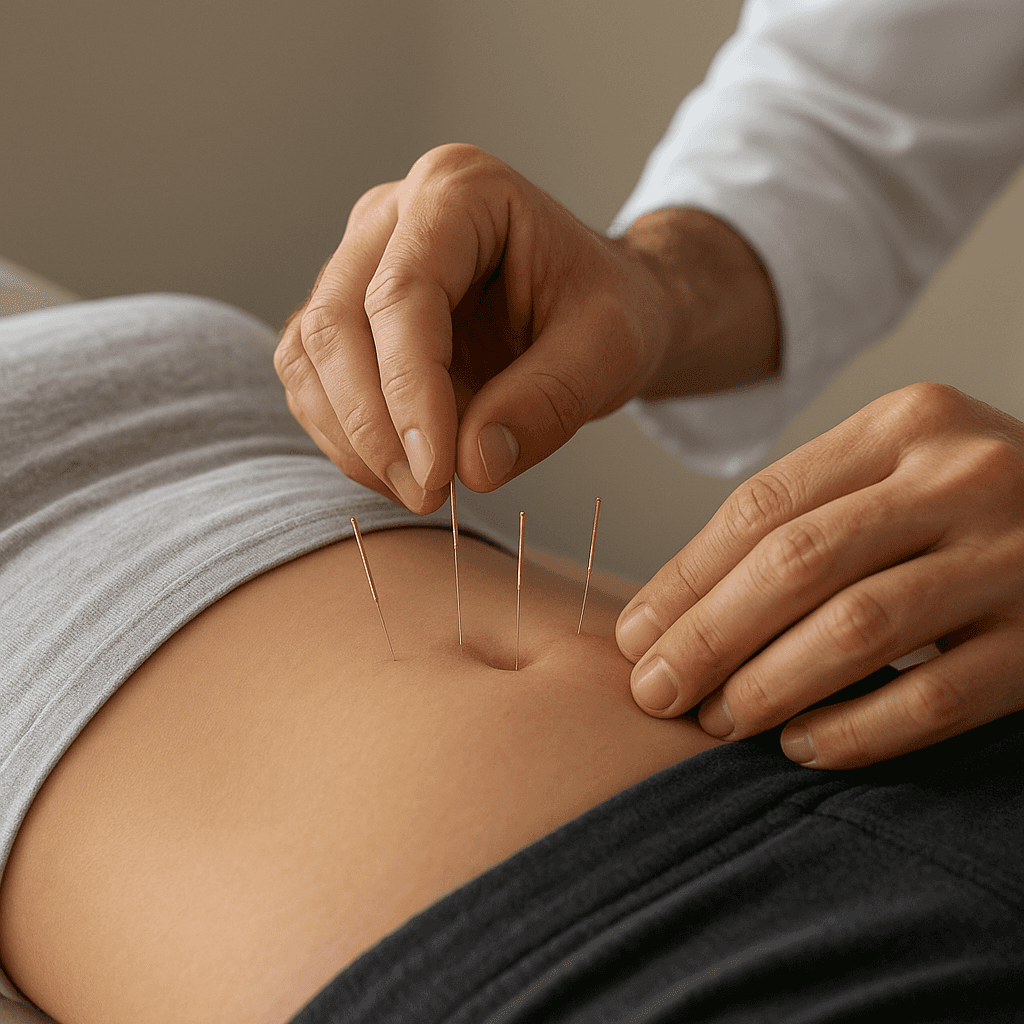
Acupuncture is generally considered safe when performed by a properly licensed clinician using sterile, single-use needles. The most common side effects are temporary soreness, lightheadedness, or small bruises at needle sites. These are usually mild.
If you’re taking hormones or NSAIDs, acupuncture typically doesn’t pose a specific safety conflict, but it’s still important for your acupuncturist to know your full medication list and bleeding history. With blood thinners, bruising or prolonged bleeding can be more likely, so gentler techniques and careful point selection may be appropriate. In pregnancy, many clinicians avoid certain points and approaches, so sessions should be planned with pregnancy in mind. During IVF, acupuncture may be used for comfort and stress support, but it hasn’t consistently been shown to improve live-birth rates. If you’re considering it, our team can help you think through safety and timing alongside your fertility plan.
Where to go from here
Understand it, compare it with what you're feeling, then talk it through with us.
Step 1 · Understand
Understand the condition
Step 3 · Speak with Us
Worried About Acupuncture Safety?
Our specialists understand your unique treatment needs and ensure acupuncture is safe alongside your medications or pregnancy. Let us tailor a care plan that prioritizes your well-being.
Questions people ask next
All general questionsWhat pain treatments are safe during pregnancy?
Acetaminophen is typically the first-line pain medication during pregnancy. NSAIDs are generally avoided after 20 weeks and need obstetric guidance earlier. Non-medication options include targeted heat, gentle activity changes and pelvic floor physical therapy with a prenatal-trained clinician.
Can acupuncture reduce endometriosis or adenomyosis pain?
Yes, acupuncture can reduce endometriosis or adenomyosis pain for some people, with studies suggesting small to moderate improvements. It does not treat the underlying disease or remove endometriosis lesions, and may be most helpful as part of a broader plan.
How many acupuncture sessions before I know it’s helping?
For many patients, a trial of 6–8 weekly acupuncture sessions helps gauge whether it’s helping, with early signs of meaningful change often showing up by the third or fourth visit. If there’s no noticeable shift by about eight sessions, it may be a sign to adjust the plan.
What if I can’t take NSAIDs for endometriosis pain?
If you can’t take NSAIDs, you still have options for endometriosis pain, including pelvic floor therapy and strategies to reduce pain amplification. A structured plan can address different pain drivers and consider excision surgery when indicated.
Further reading
Acupuncture for Endometriosis: Effectiveness and Benefits
Acupuncture for endometriosis pain: how it may modulate nerves, hormones, and blood flow; evidence of benefit, risks, and ways to combine with standard care.
Natural Approaches to Managing Endometriosis Pain
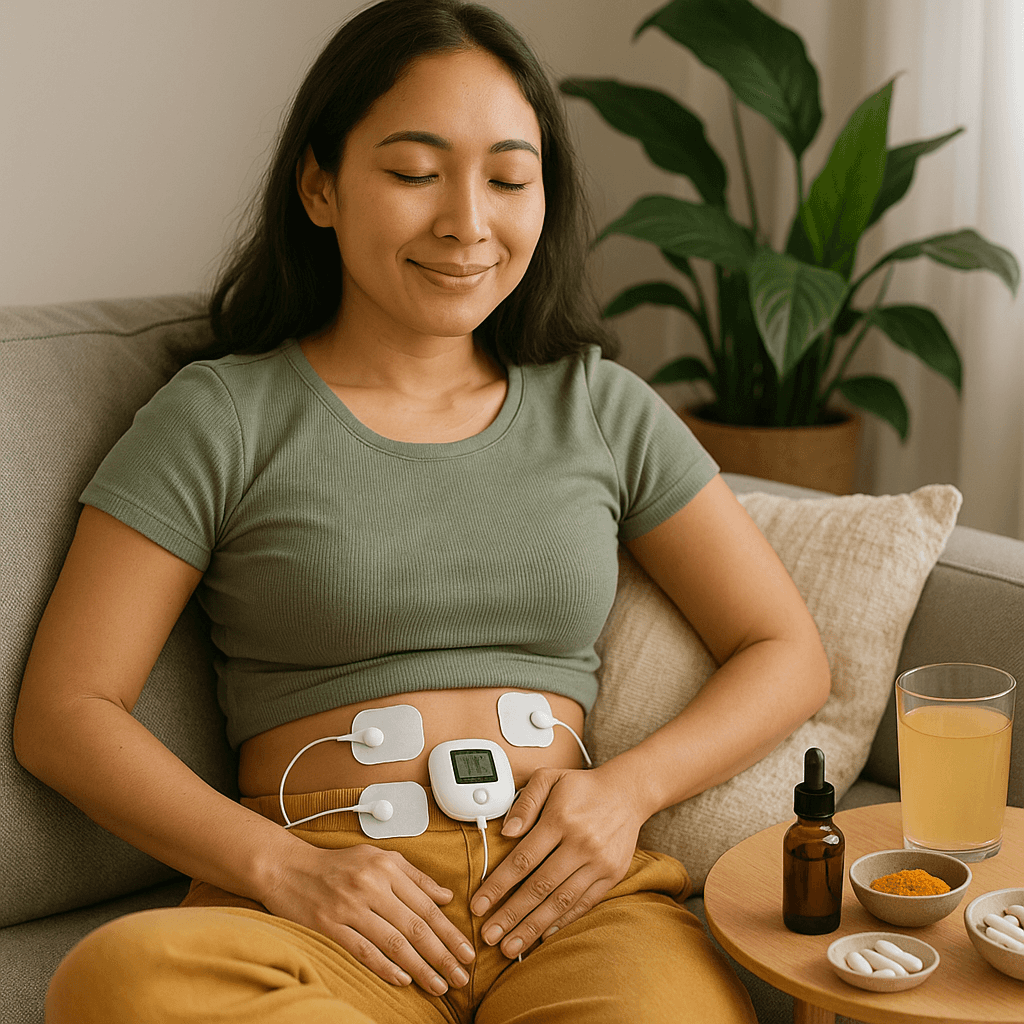
Learn how TENS, diet changes, CBD, turmeric, meditation, yoga, and acupuncture can complement care and help relieve pelvic pain from endometriosis.
Non-hormonal Options for Endometriosis Pain: What’s Actually Worth Trying?
Discover evidence-based nonhormonal treatments for endometriosis pain. Find options you can try now for effective symptom management.