General
Is endometriosis hereditary?
The short answer
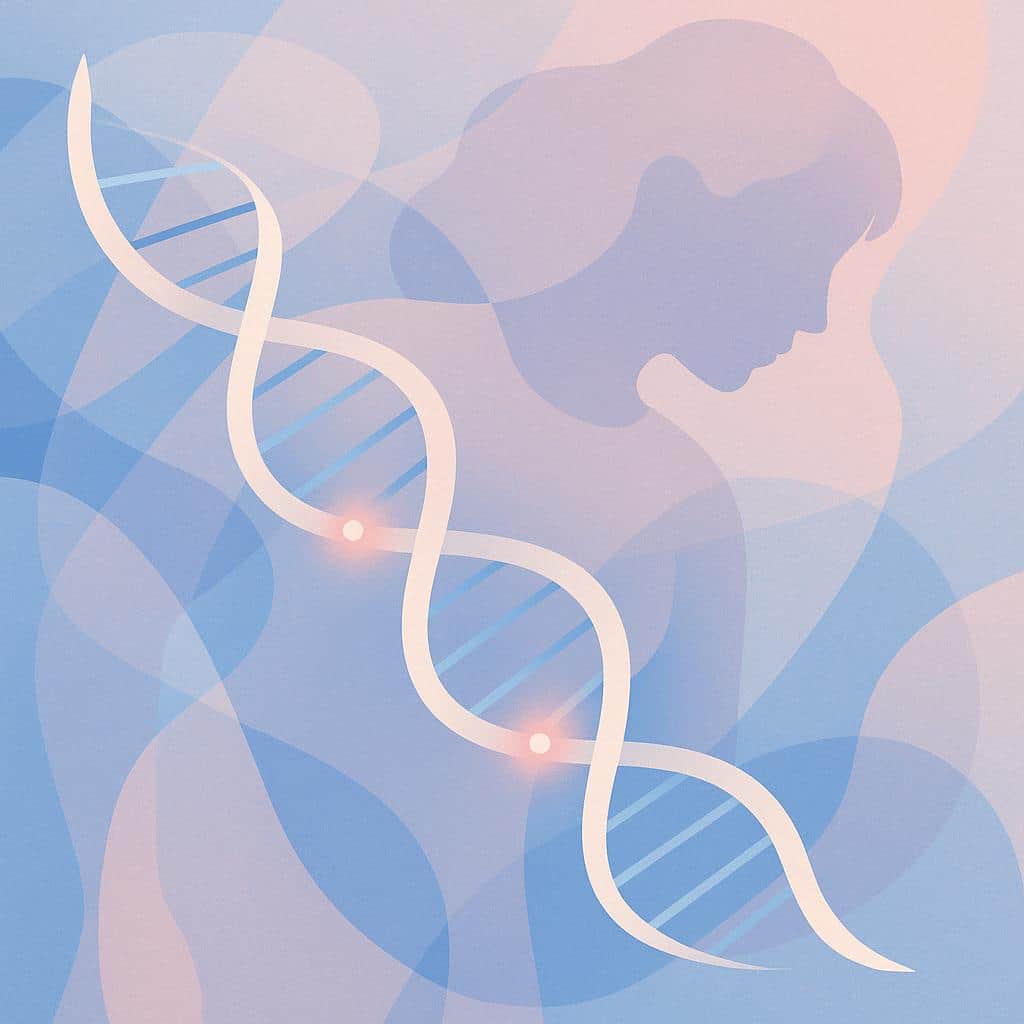
Yes, endometriosis can run in families, and having a parent or sibling with it raises your risk. But a family history does not guarantee you will develop endometriosis or reliably predict symptom severity, and many patients have no known family history.
Yes, endometriosis can run in families. If you have a first-degree relative (like a parent or sibling) with endometriosis, your risk is higher, and twin research suggests genetics contribute meaningfully to susceptibility.
That said, heredity isn’t destiny: having relatives with endometriosis doesn’t guarantee you’ll develop it, and it doesn’t reliably predict how severe your symptoms might be. Many patients we treat have no known family history, so persistent pelvic pain, painful periods, or infertility concerns still deserve a thorough evaluation based on your symptoms and goals. Reach out to schedule a consultation with our team.
Where to go from here
Understand it, compare it with what you're feeling, then talk it through with us.
Step 3 · Speak with Us
Worried About Family History?
Endometriosis can be hereditary, increasing your risk if relatives are affected. Our specialists can assess your symptoms and provide personalized care tailored to your needs.
Questions people ask next
All general questionsWhich genes are linked to endometriosis so far?
Genetic studies have found endometriosis risk signals near WNT4, GREB1, ESR1, FSHB, VEZT, FN1, SYNE1, and IL1A. They suggest risk is influenced by many common genetic variants, each with a small effect, rather than one single endometriosis gene.
Who is at higher risk for endometriosis?
Studies suggest endometriosis is more common in people whose periods started younger, who have shorter cycles, or who have heavy or prolonged bleeding. Family history can increase risk, and certain reproductive tract anomalies are linked to a higher likelihood.
How common is endometriosis?
Endometriosis is common, affecting about 1 in 10 people of reproductive age. Higher rates are seen among people being evaluated for infertility or chronic pelvic pain, and many patients live with it for years before getting a clear explanation for their pain.
Further reading
Genetic Insights Into Endometriosis
Learn how genetics shapes endometriosis—familial clustering, gene mapping, GWAS, and genomics—and what this means for diagnosis, treatment, and monitoring.
Will Genetic Testing Help Diagnose Your Endometriosis Soon?
Discover if genetic testing could soon help diagnose endometriosis. Learn about new research and what it means for patients seeking answers.