
Diagnosis
What tests can explain pain after endometriosis surgery?
The short answer
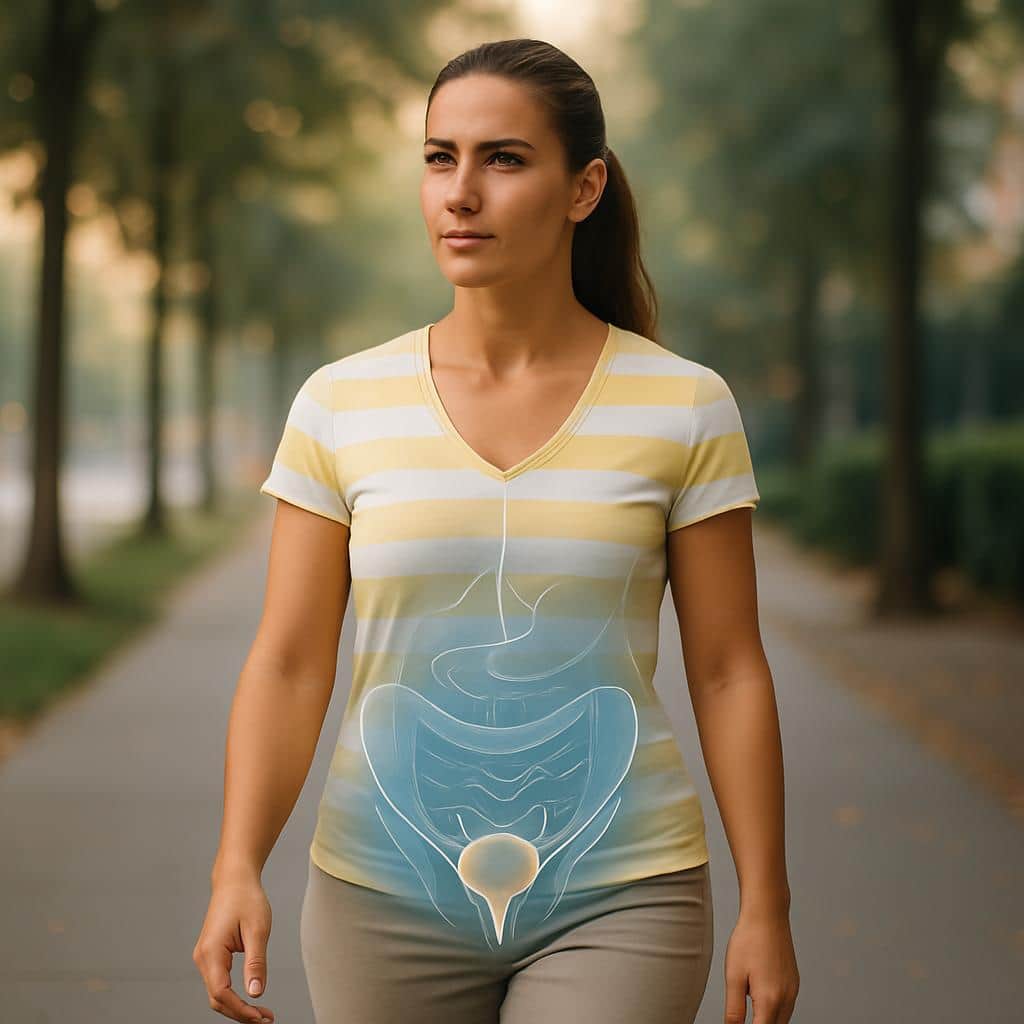
A review of your pain pattern, pelvic ultrasound and/or MRI, and symptom-guided testing may help explain pain after endometriosis surgery. In selected cases, targeted lab work or specialized testing of excised tissue can add insight into why symptoms persist.
Persistent or new pain after excision surgery can fall into a few different categories: normal healing in the first weeks, pain that never fully improved, or pain that improves and later returns. The most helpful test often starts with a structured review of your pain pattern (timing, triggers related to the bowel, bladder, sex, or movement, exact location, and whether the pain is cramping, burning, or electric). That review determines what we look for next, rather than ordering a one-size-fits-all panel.
From there, we typically use expertly interpreted pelvic imaging, such as ultrasound and/or MRI, to look for residual or recurrent endometriosis, adenomyosis, pelvic masses, and other pelvic causes that can mimic endo pain. Depending on your symptoms, we may also evaluate for overlapping conditions that commonly keep pain going after surgery: pelvic floor dyssynergia, hernias, pelvic venous congestion or May-Thurner patterns, bladder/bowel sensitization, and nerve-related contributors like small fiber neuropathy or central sensitization.
In selected cases, testing can go beyond imaging to clarify the underlying biology and personalize next steps. This can include targeted lab work for thyroid dysfunction, PCOS or adrenal imbalance, autoimmune overlap, and sometimes gut-related factors like dysbiosis/SIBO that can amplify inflammation and pain. When we have excised tissue available, specialized pathology markers (such as mitotic index, mast cell density, immune/molecular markers, and hormone receptor profiling) can offer more insight into why symptoms may persist and how to tailor a long-term plan. Share your surgical history and current symptom pattern with our team, and we can help identify which evaluations are most likely to be high-yield for you, without guesswork.
Where to go from here
Understand it, compare it with what you're feeling, then talk it through with us.
Step 2 · Compare
Symptoms it can relate to
Step 3 · Speak with Us
Struggling with Post-Surgery Pain?
Our specialists understand the complexities of pain after endometriosis surgery and can help identify its causes through personalized evaluations and advanced imaging. Let us find the answers you need to feel better.
Questions people ask next
All diagnosis questionsHow is recurrent endometriosis diagnosed after excision?
Recurrent endometriosis after excision is diagnosed using symptom history and expert evaluation, not symptoms alone. Imaging can help but does not detect every form; confirming recurrence may require repeat surgery and pathology in selected cases.
Why can pain persist after endometriosis surgery or normal imaging?
Pain can persist after endometriosis surgery or normal imaging because, for some patients, the nervous system stays on high alert. Scans may miss pain sources, and pelvic floor muscle guarding or overlapping bladder and bowel pain conditions can also contribute.
What if my pain returns after endometriosis surgery?
Pain returning after endometriosis surgery doesn’t automatically mean surgery failed. Endometriosis left behind, new lesions or another condition can cause pain, and re-evaluation may guide medical management, pelvic floor treatment or a surgical second-look when appropriate.
How do we evaluate painful bowel movements in endometriosis?
We evaluate painful bowel movements by mapping your symptoms, with a pelvic exam when appropriate, and may recommend ultrasound or MRI. Normal imaging does not rule out endometriosis, and we may coordinate a GI evaluation if symptoms suggest overlapping conditions.
Further reading
What Now? Your Post‑Endometriosis Surgery Pain Investigation Plan
Discover an investigation plan for post-surgery pain after endometriosis. Learn effective tracking methods to communicate with your care team.
Endometriosis Excision Surgery Worked—So Why Am I Still in Pain?
Discover why persistent pain after successful endometriosis surgery occurs, backed by recent research and insights for effective pain management.
Overlooked Endometriosis Neighbors: Adenomyosis, Bladder, and Bowel Pain
Discover the link between adenomyosis, bladder, and bowel pain after endometriosis surgery. Learn why you might still feel discomfort and what to do.