
Diagnosis
How is recurrent endometriosis diagnosed after excision?
The short answer
Recurrent endometriosis after excision is diagnosed using symptom history and expert evaluation, not symptoms alone. Imaging can help but does not detect every form; confirming recurrence may require repeat surgery and pathology in selected cases.
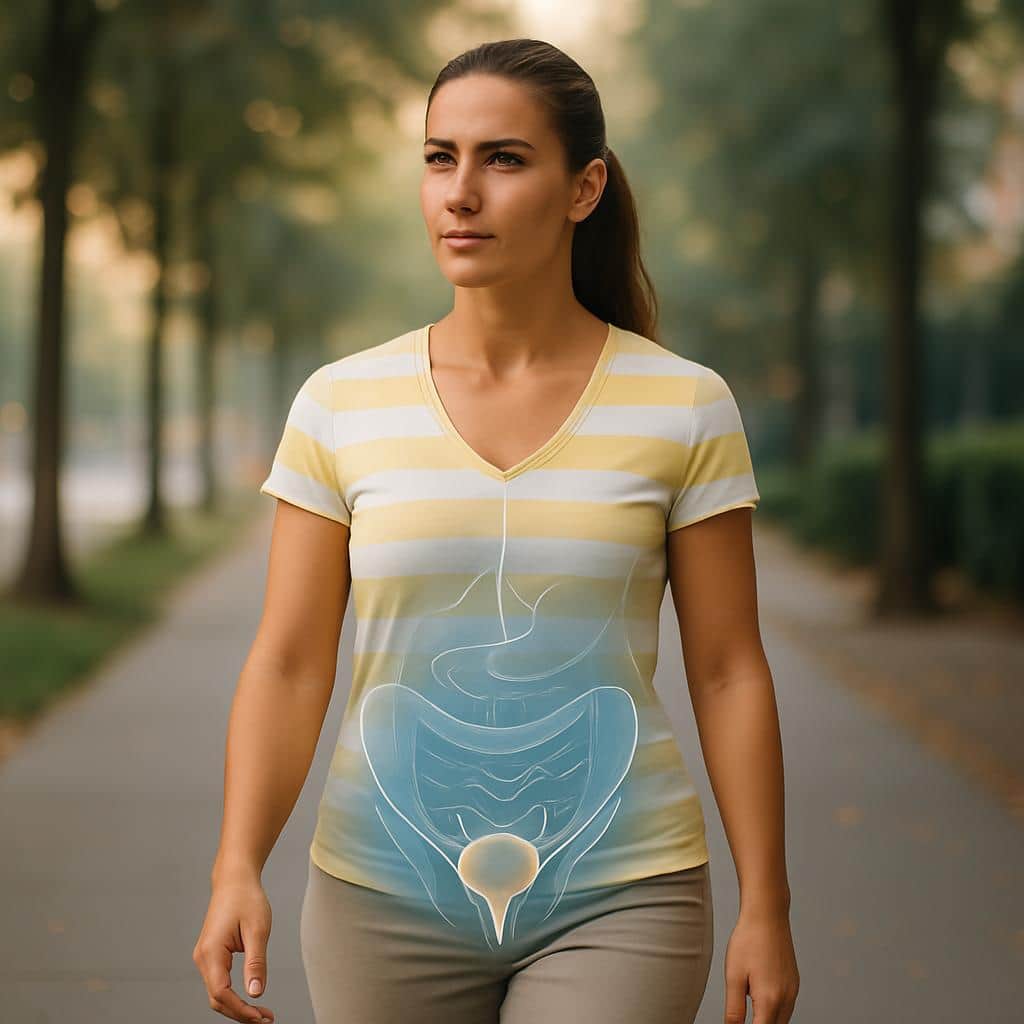
Recurrent endometriosis after excision is diagnosed by combining your symptom pattern with expert evaluation, not by symptoms alone. We start with a detailed history of what’s changed since surgery, including timing, cyclicity, location, and triggers like bowel movements, bladder filling, sex, or ovulation, and compare it with your new baseline after healing. A careful exam can reveal clues such as focal tenderness, pelvic floor dysfunction, or signs that another condition is overlapping with (or mimicking) endo.
Imaging can be very helpful when interpreted with endometriosis expertise, especially ultrasound or MRI to look for recurrent endometriomas, deep disease, adenomyosis, pelvic masses, or other pelvic conditions that can drive similar symptoms. It’s important to know that imaging doesn’t catch every form of endometriosis, and lesion size doesn’t always match symptom severity. When persistent or returning pain doesn’t fit a clear recurrence pattern, we often broaden the evaluation to consider look-alikes and coexisting drivers (such as pelvic venous congestion, hernias, nerve-related pain, central sensitization, or gut and immune factors) so treatment is targeted rather than based on guesswork.
Because surgery remains the only definitive way to confirm endometriosis, confirming true disease recurrence may ultimately require repeat surgery and pathology in selected cases. That decision should be individualized and based on a structured workup. If you’re worried about recurrence, our team can help you map your symptoms, choose the right testing, and build a long-term plan focused on durability and reassurance.
Where to go from here
Understand it, compare it with what you're feeling, then talk it through with us.
Step 1 · Understand
Understand the condition
Step 2 · Compare
Symptoms it can relate to
Step 3 · Speak with Us
Suspect Recurrence? Get Expert Evaluation
If you notice new or returning symptoms after excision, our specialists can help distinguish recurrence from other issues. We combine thorough history, exams, and imaging to guide your next steps with precision and care.
Questions people ask next
All diagnosis questionsWhat tests can explain pain after endometriosis surgery?
A review of your pain pattern, pelvic ultrasound and/or MRI, and symptom-guided testing may help explain pain after endometriosis surgery. In selected cases, targeted lab work or specialized testing of excised tissue can add insight into why symptoms persist.
What if my pain returns after endometriosis surgery?
Pain returning after endometriosis surgery doesn’t automatically mean surgery failed. Endometriosis left behind, new lesions or another condition can cause pain, and re-evaluation may guide medical management, pelvic floor treatment or a surgical second-look when appropriate.
When is repeat excision surgery recommended?
Repeat excision is typically considered when symptoms return or progress and there’s strong reason to believe endometriosis or adhesions are driving them, or when organ function is at risk. Pain after surgery doesn’t always mean disease has returned, so re-evaluation may be needed.
Can endometriosis come back after excision surgery?
Yes, endometriosis can come back after excision surgery, even when it is performed well. Recurrence can mean symptoms returning, new lesions forming, or an endometrioma (ovarian cyst) coming back. Disease left behind is the biggest driver of recurrence risk.
Further reading
What Now? Your Post‑Endometriosis Surgery Pain Investigation Plan
Discover an investigation plan for post-surgery pain after endometriosis. Learn effective tracking methods to communicate with your care team.
Endometriosis Excision Surgery Worked—So Why Am I Still in Pain?
Discover why persistent pain after successful endometriosis surgery occurs, backed by recent research and insights for effective pain management.
Overlooked Endometriosis Neighbors: Adenomyosis, Bladder, and Bowel Pain
Discover the link between adenomyosis, bladder, and bowel pain after endometriosis surgery. Learn why you might still feel discomfort and what to do.