
Surgery
Who is a good candidate for robotic endometriosis surgery?
The short answer
Robotic surgery can be a good fit when complex, deep endometriosis is anticipated or disease may involve the bowel, bladder, or ureters. Candidacy is individualized, based on disease mapping, surgical goals, and which approach allows thorough, safe removal.
Robotic-assisted endometriosis surgery can be a good fit when we expect complex, deep disease or need to dissect precisely around sensitive anatomy. It’s often considered when endometriosis may involve the bowel, bladder, or ureters, or when reconstruction could be part of the plan.
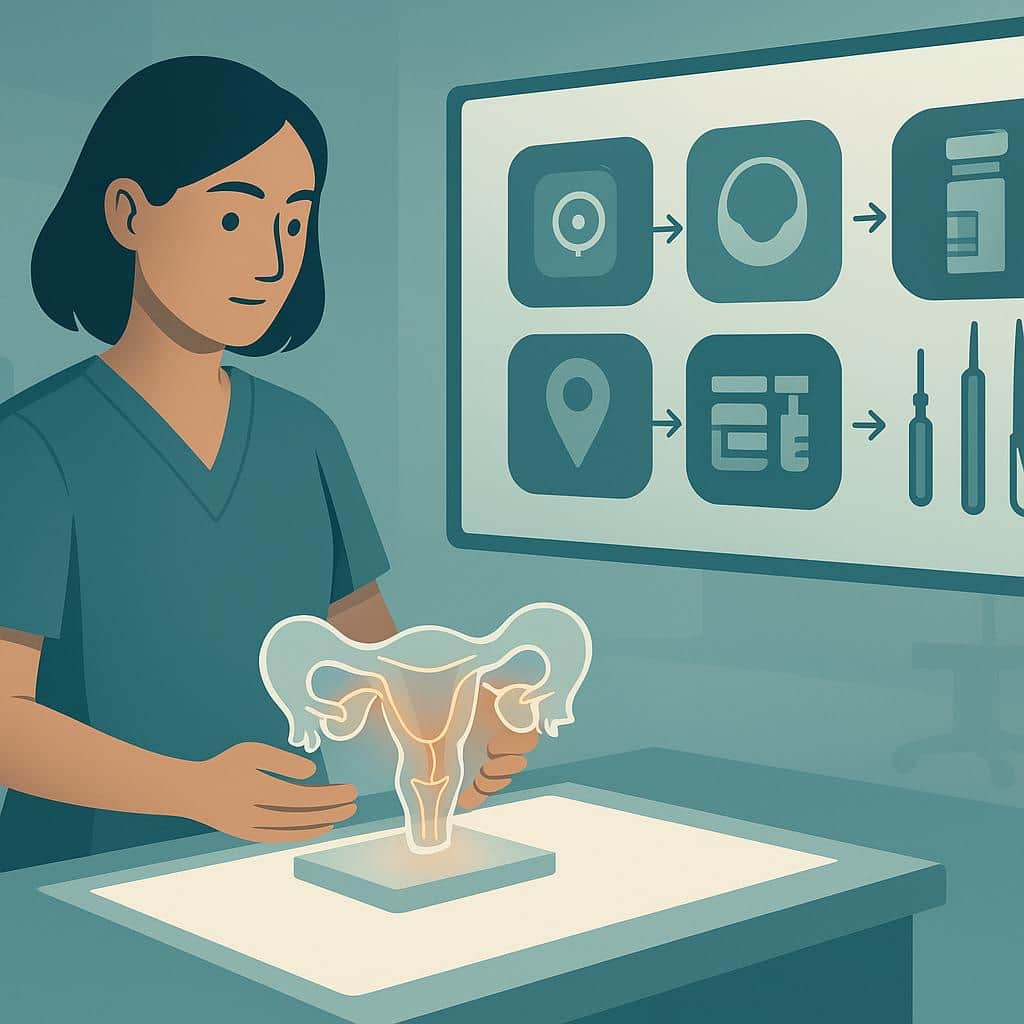
Candidacy is highly individualized. In our practice, we base the decision on preoperative disease mapping (including imaging when appropriate), your surgical goals, and which approach allows us to remove disease thoroughly and safely. If you’re wondering whether robotics makes sense for your case, contact us. Our team can review your history and imaging and walk you through the pros and cons for your specific anatomy and symptoms.
Where to go from here
Understand it, compare it with what you're feeling, then talk it through with us.
Step 1 · Understand
Understand the condition
Step 2 · Compare
Symptoms it can relate to
Step 3 · Speak with Us
Is Robotic Surgery Right for You?
Our specialists evaluate your unique condition to determine if robotic-assisted surgery can effectively treat your complex endometriosis. We'll help ensure the safest and most precise approach tailored to your needs.
Questions people ask next
All surgery questionsIs robotic surgery better than laparoscopy for endometriosis?
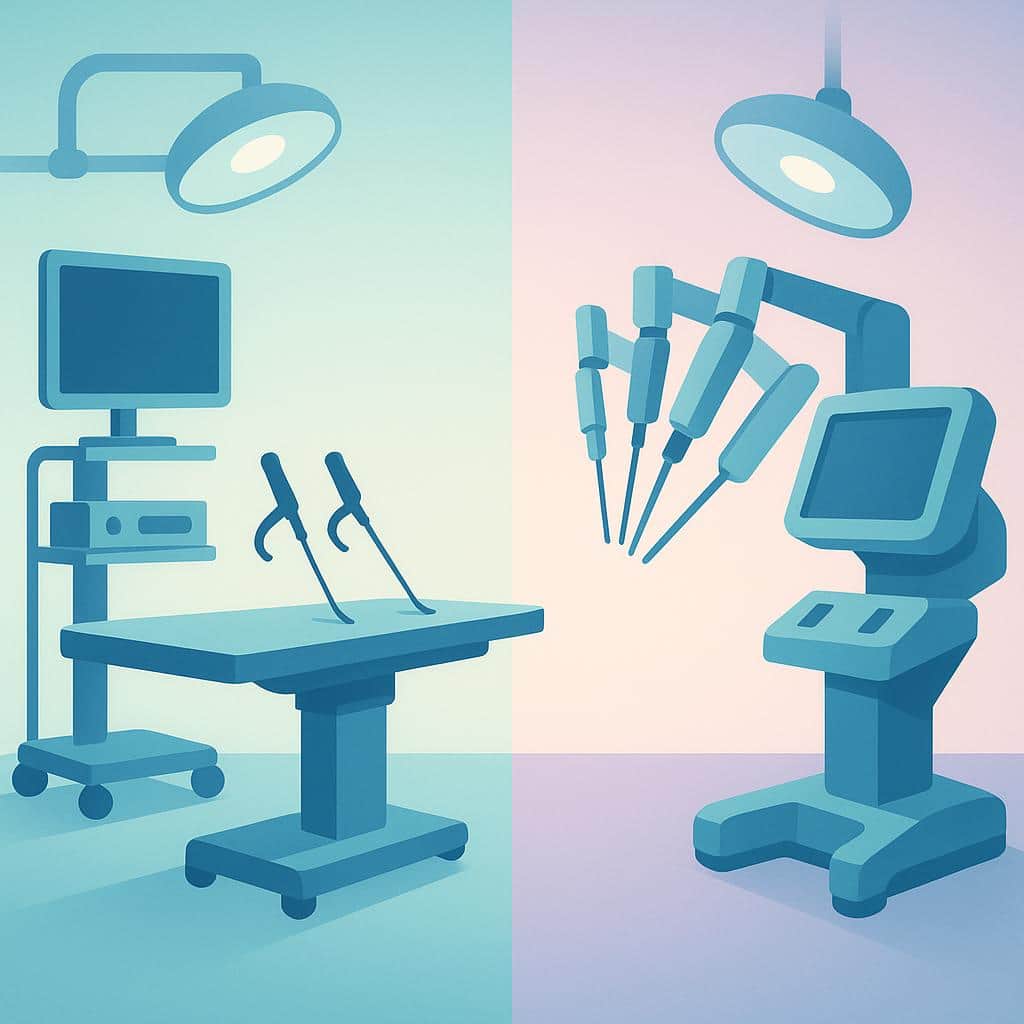
With an expert team, robotic surgery and standard laparoscopy generally have similar outcomes for endometriosis. The surgeon’s skill usually matters more, though robotics can be especially helpful in certain complex cases and can add time and cost.
Why use robotic-assisted (da Vinci) surgery for endometriosis?
Robotic-assisted (da Vinci) surgery may be used for endometriosis when precision matters most, such as with deep disease or disease near sensitive organs. It provides a magnified 3D view and finer control to help remove disease while protecting healthy tissue.
Do I need medical clearance for robotic surgery?
In many cases, yes, some form of medical clearance is needed before robotic surgery, depending on your health history and the anticipated complexity of your case. This may involve pre-op labs, an anesthesia evaluation, or targeted clearance from your treating clinician.
Benefits of minimally invasive/robotic surgery for endometriosis?
Minimally invasive and robotic surgery can mean less pain, less blood loss, and a smoother early recovery compared with larger-incision surgery. Enhanced visualization and precise instrument control can help remove endometriosis while minimizing unnecessary tissue trauma.
Further reading
Conventional Laparoscopy vs Robotic Surgery for Endometriosis and Adenomyosis: What Patients Need to Know
Comparing safety, effectiveness, and recovery — a patient-friendly overview of different surgery approaches and what they can mean for your treatment.
Deep Infiltrating Endometriosis: Current and Future Treatments
Deep infiltrating endometriosis: symptoms, causes, diagnosis and treatment. Medical therapy, ICG-guided surgery, stenting, pathology, and future outlook.
Bowel Endometriosis: Causes, Symptoms, and Treatment
Bowel endometriosis explained: locations, symptoms, causes, diagnosis and misdiagnosis, plus treatments from minimally invasive surgery to lifestyle changes.