Symptoms
Why does pain worsen with stress or poor sleep?
The short answer
Stress and poor sleep can worsen endometriosis-related pain by making your nervous system more reactive to discomfort. Sleep loss lowers pain tolerance, while stress hormones and muscle tension can amplify pain and feed a flare cycle.
Stress and sleep loss can make endometriosis-related pain feel more intense because they change how your nervous system processes threat and discomfort. When your body is under chronic strain, pain pathways in the brain and spinal cord can become more reactive (often called central sensitization), so sensations that might otherwise be tolerable can feel sharper, more widespread, or harder to turn off. This is one reason pain intensity doesn’t always match what imaging shows, or even what’s happening in a single spot in the pelvis.
Stress and poor sleep can also reinforce each other and feed a cycle of flares: pain disrupts sleep, sleep deprivation lowers pain tolerance, and stress hormones and muscle tension can amplify pelvic, back, bowel, or bladder pain. Importantly, this doesn’t mean the pain is in your head. It means your nervous system has been forced to run on high alert for too long.
In our practice, we address both: treating endometriosis/adenomyosis as a disease when appropriate (for example, evaluating whether excision surgery is indicated) and building a pain plan that addresses nervous-system amplification so you can function while we work on the root drivers. If your flares predictably track with stressful periods or bad nights, that pattern is useful clinical information. Reach out to our team and we can help you make sense of it and map out next steps.
Where to go from here
Understand it, compare it with what you're feeling, then talk it through with us.
Step 1 · Understand
Understand the condition
Step 3 · Speak with Us
Struggling with Stress-Triggered Pain?
Stress and poor sleep can amplify your pain by altering your nervous system's response. Our specialists understand these complex connections and can help manage your symptoms effectively.
Questions people ask next
All symptoms questionsCan mindfulness or yoga reduce endometriosis or adenomyosis pain?
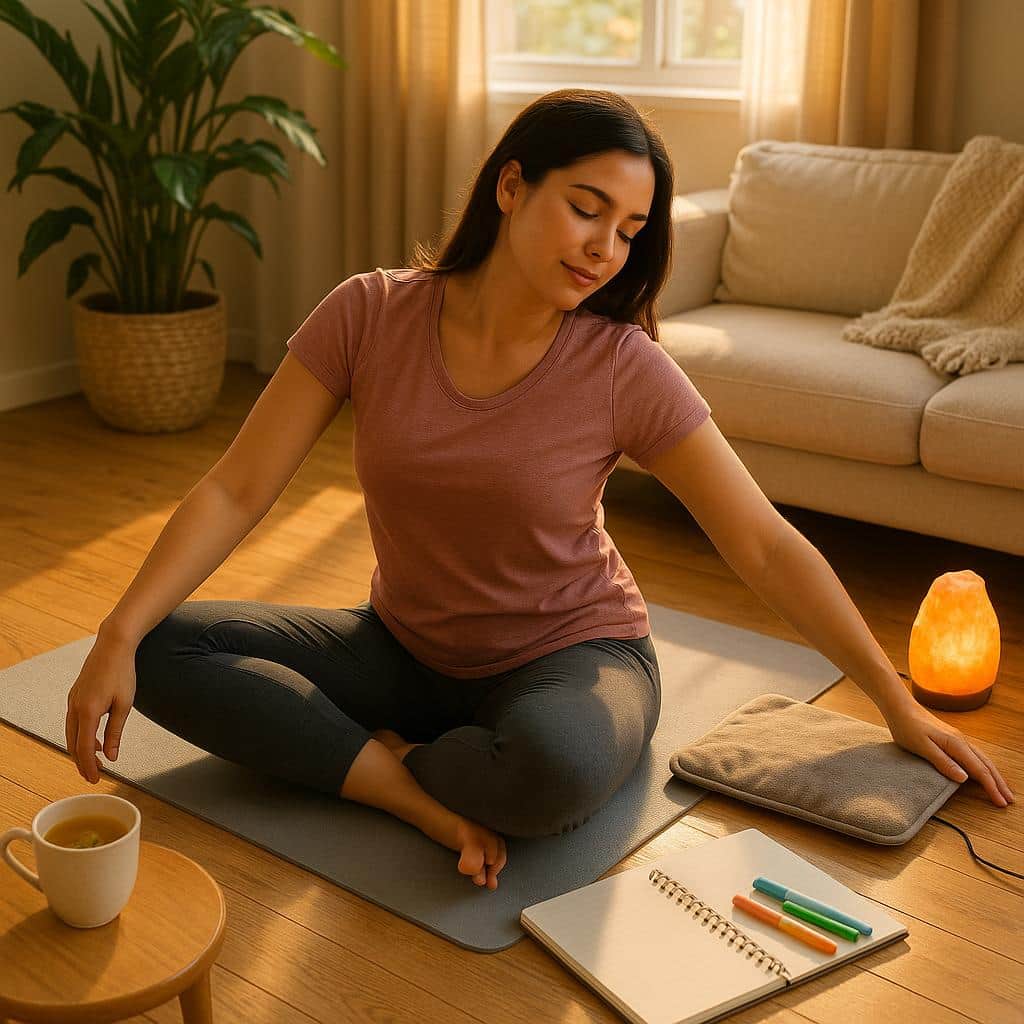
Yes, mindfulness and gentle, pain-informed yoga can help some people feel less pelvic pain from endometriosis or adenomyosis. They don’t treat the underlying disease, but research suggests modest improvements in pain, distress, sleep, and quality of life.
Why does chronic endometriosis pain feel different than acute pain?
Chronic endometriosis pain can feel different because ongoing irritation can keep pain signals firing and make the nervous system more sensitive. Acute pain tends to have a specific trigger, while chronic pain can feel deeper, more constant, or harder to predict.
Can stress worsen endometriosis symptoms?
Yes, stress can make endometriosis symptoms feel worse by amplifying inflammation and making your nervous system more sensitive to pain. Stress management can help reduce symptoms, but it is not a substitute for treating endometriosis lesions.
Does stress cause endometriosis or adenomyosis?
Stress does not cause endometriosis or adenomyosis, but it can increase pain sensitivity and make symptoms feel more intense. Addressing the stress response won’t cure the disease, but it can reduce symptoms’ impact on daily life and may help decrease flares alongside treatment.
Further reading
Holistic Tools That Actually Help Endometriosis Pain
Explore effective holistic tools that aid in managing endometriosis pain alongside conventional treatments. Discover reliable strategies today.
When Your Nervous System Won’t Stand Down After Endometriosis Surgery
Explore why pain persists after endometriosis surgery and learn about central sensitization's role in pain management.
Endometriosis Fatigue : A Practical Guide to Relief
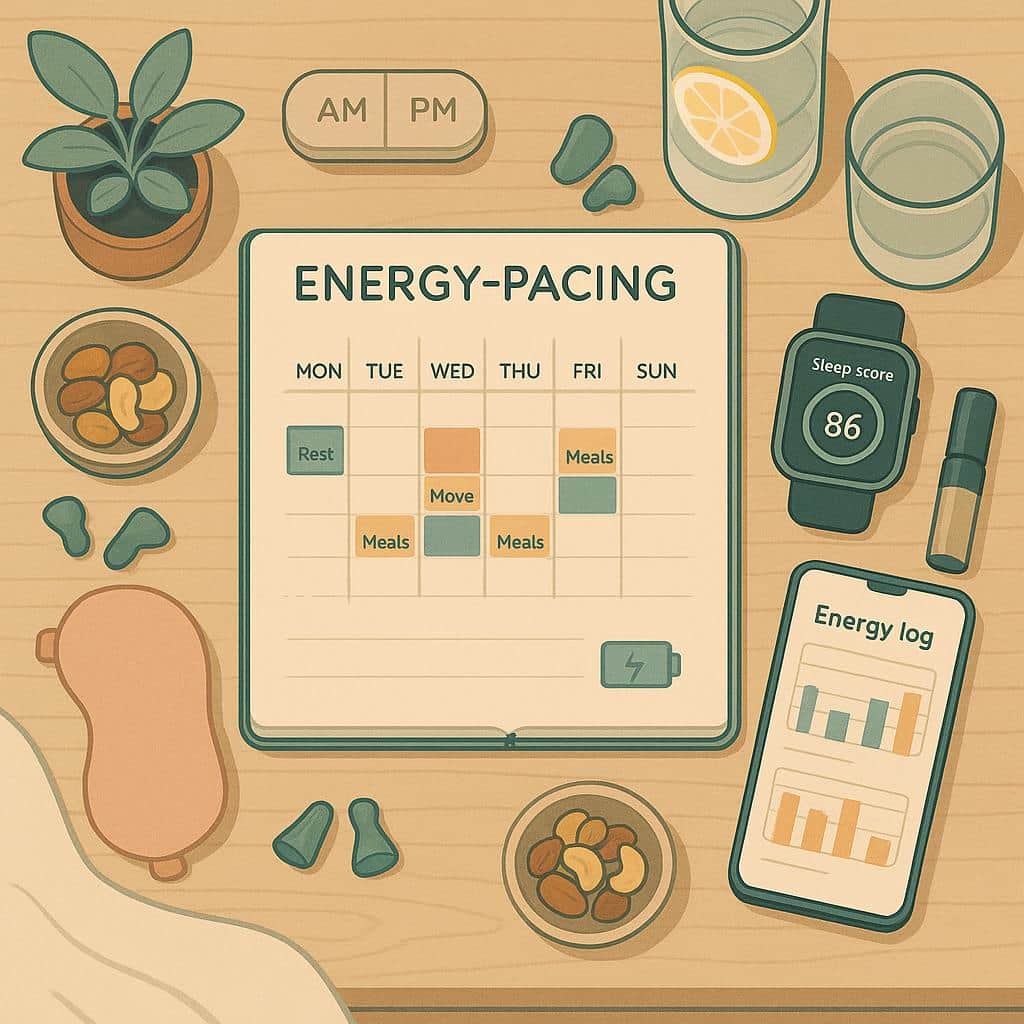
Understand why endometriosis drains energy—chronic pain, hormones, poor sleep, anemia, inflammation—and get practical tips for fatigue, pain, stress, and daily function.