Fertility
Can endometriosis cause recurrent implantation failure in IVF?
The short answer
Yes, endometriosis can be one contributing factor in recurrent implantation failure for some IVF patients. It may affect how the uterine lining functions, but implantation failure is rarely due to one diagnosis, and many people with endometriosis still have successful IVF outcomes.
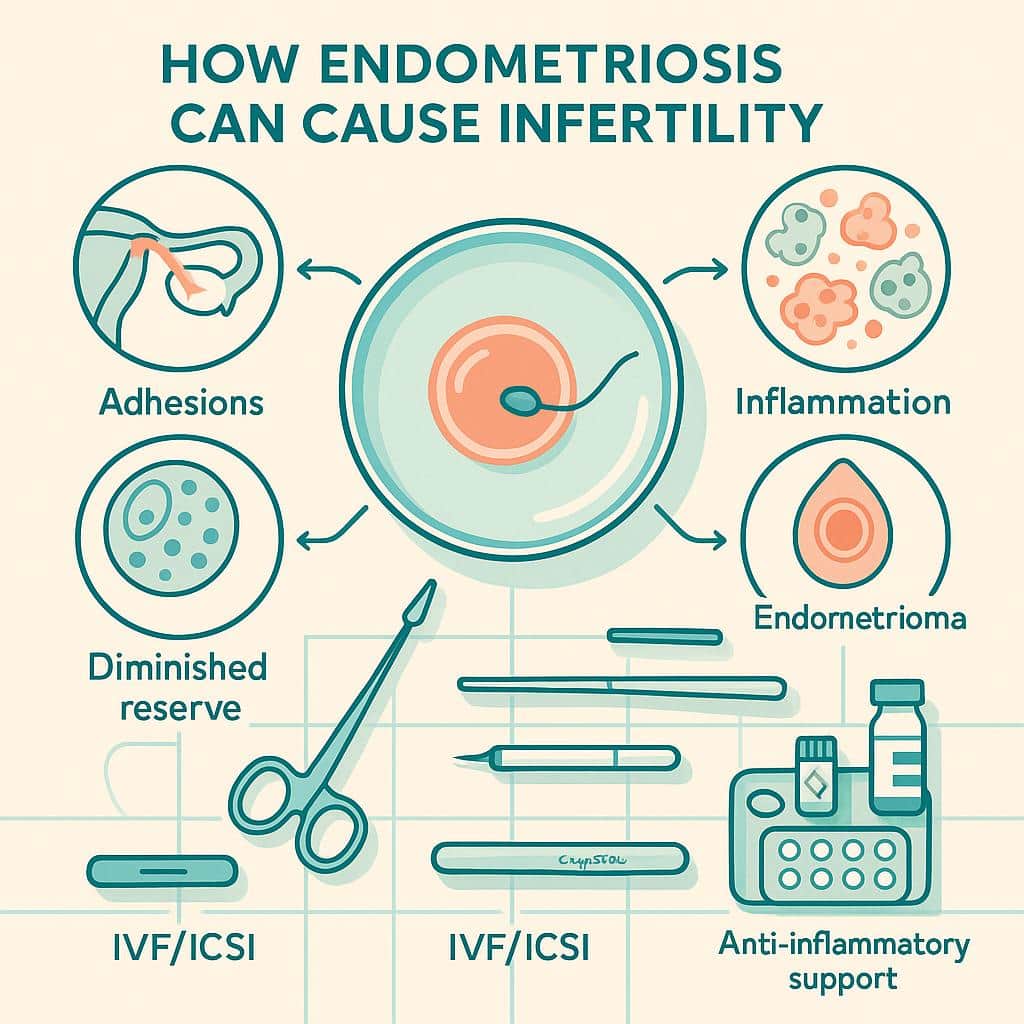
Yes, endometriosis can contribute to recurrent implantation failure (RIF) in some IVF patients. Beyond its effects on pelvic anatomy, endometriosis can create an inflammatory environment and may alter how the uterine lining functions, including changes in endometrial receptivity signals that support embryo attachment and early development.
Still, RIF is rarely explained by a single diagnosis, and many people with endometriosis have successful IVF outcomes, especially when endometriosis is the only identified fertility factor. If you’re experiencing repeated failed transfers, the key is a careful, coordinated evaluation of endometriosis biology and severity alongside other common drivers of RIF, so we don’t miss treatable contributors.
Our team can help you look at the whole picture (symptoms, imaging, prior IVF response, history of endometriomas or pelvic adhesions, and any signs of adenomyosis or uterine factors) and then discuss whether excision surgery, timing, or other strategy adjustments may improve the chances of implantation in future cycles. If you’d like, reach out to schedule a consultation so we can map a plan tailored to your fertility goals and timeline.
Where to go from here
Understand it, compare it with what you're feeling, then talk it through with us.
Step 1 · Understand
Understand the condition
Step 3 · Speak with Us
Struggling with IVF failures?
Endometriosis might be affecting your implantation success. Our specialists can help identify and address these challenges to improve your chances.
Questions people ask next
All fertility questionsShould I be tested for endometritis after IVF failures?
Yes, testing for endometritis, inflammation of the uterine lining, can be worth considering after repeated IVF failures, especially with good-quality embryos. The testing pathway can differ depending on failed implantation, recurrent miscarriage or poor embryo development.
Does endometriosis affect egg quality or implantation?
Endometriosis can affect both egg quality and implantation. In the ovaries, especially with ovarian endometriomas, inflammation may affect how eggs mature, while changes in the uterine lining may make it less receptive to implantation.
Are ICSI or PGT-A recommended for endometriosis?
ICSI isn’t routinely recommended for endometriosis alone, while PGT-A can help in specific situations. ICSI decisions usually depend on semen results and past fertilization; PGT-A may help older patients or those with recurrent pregnancy loss or repeated implantation failure.
Do endometriosis and adenomyosis affect fertility?
Endometriosis and adenomyosis can both make it harder to conceive, though the reasons can differ from person to person. They may affect fertility through inflammation, scarring, ovarian involvement, or uterine changes that can interfere with implantation and pregnancy.
Further reading
How Endometriosis Contributes to Infertility
How endometriosis leads to infertility: pathogenesis; effects on gametes, tubes, and endometrium; and treatments—expectant care, surgery, and ART.
Surgery and IVF: When Are They Right for Endometriosis?
Explore when surgery or IVF is best for endometriosis. Understand the decision-making process and what to consider for fertility and health.
Endometriosis and Miscarriage: What Research Suggests
Learn how endometriosis may affect miscarriage risk, the roles of inflammation, hormones, and surgery, what current studies show, and ways to manage fertility.