General
Can endometriosis qualify as a disability?
The short answer
Yes, endometriosis can qualify as a disability in some situations when symptoms significantly limit daily functioning. You may be eligible for workplace accommodations; Social Security approval typically depends on showing your symptoms prevent you from sustaining work.
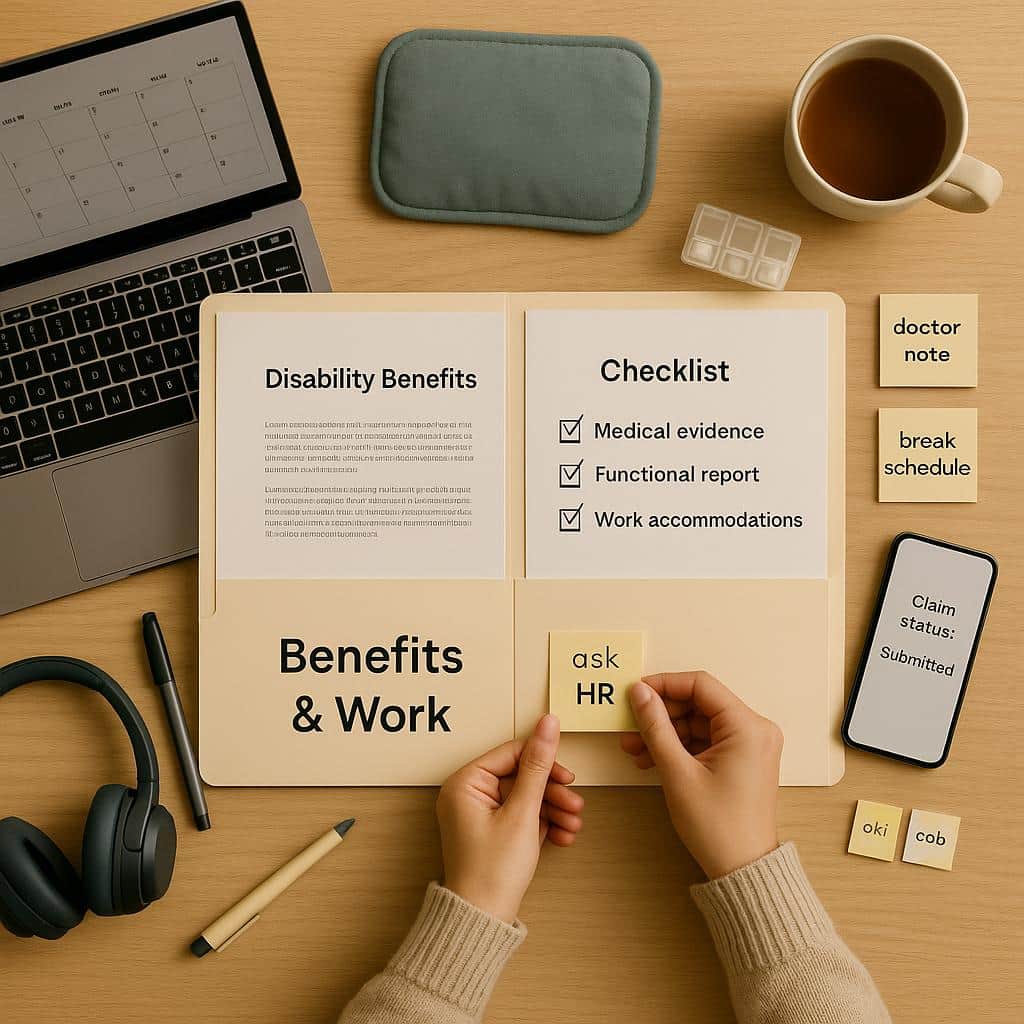
Yes, endometriosis can qualify as a disability in some situations, but it isn’t automatically considered one in every case. When symptoms like pelvic pain, fatigue, bowel or bladder pain, or pain with sex significantly limit day-to-day functioning, a person may be protected under the Americans with Disabilities Act (ADA) and may be eligible for workplace accommodations.
For Social Security disability benefits, endometriosis is not a listed condition, so approval typically depends on showing how your symptoms and functional limitations prevent you from sustaining work. Documentation matters: clear diagnosis details, treatment history, including surgery and symptom management, and records describing how often symptoms flare and what activities they limit. If you’re navigating work or disability questions, our team can help evaluate the medical side of your case, clarify disease versus pain mechanisms (including central sensitization), and create a plan that supports both symptom control and long-term treatment goals. Reach out to schedule a consultation.
Where to go from here
Understand it, compare it with what you're feeling, then talk it through with us.
Step 2 · Compare
Symptoms it can relate to
Step 3 · Speak with Us
Need help documenting your limits?
If endometriosis symptoms are disrupting work or daily life, our specialists can help evaluate functional impact and support ADA accommodation or disability documentation. We’ll also treat the drivers of pain, fatigue, and bowel/bladder symptoms to improve long-term quality of life.
Questions people ask next
All general questionsCan symptoms be managed without surgery?
Yes, many people can reduce symptoms without surgery, especially heavy bleeding and cramping, using anti-inflammatory pain relievers, bleeding-control medications, or hormonal therapy. What works best depends on your disease pattern, symptoms, and goals for fertility and long-term control.
How can hormonal therapy affect fatigue in endometriosis?
Hormonal therapy can improve fatigue in endometriosis by reducing heavy bleeding and inflammatory activity. Many patients notice less pelvic pain and fewer symptom flares that disrupt sleep, but the response to hormonal therapy is individualized.
Can endometriosis be cured or only put into remission?
Endometriosis doesn’t currently have a proven permanent cure, but many people can achieve major, lasting symptom improvement. Treatment typically aims for durable relief and disease control, which many patients describe as remission, while protecting long-term pelvic health.
Further reading
Endometriosis, Disability, and Work: What to Know
A practical guide to endometriosis and disability: SSDI/SSI eligibility, medical evidence, application steps, workplace accommodations, and retirement.
Endometriosis Fatigue : A Practical Guide to Relief
Understand why endometriosis drains energy—chronic pain, hormones, poor sleep, anemia, inflammation—and get practical tips for fatigue, pain, stress, and daily function.
Why Your Endometriosis Pain Can Feel So Unrelenting
Discover why endometriosis causes pain and scarring. Learn about TGF-β signaling and its role in symptoms and treatment. Empower your health journey.