General
What foods help reduce inflammation?
The short answer
Colorful fruits and vegetables, beans, lentils, nuts, seeds, minimally processed whole grains and fatty fish can support a healthier inflammatory balance. What helps depends on your symptoms, digestion and conditions like endometriosis or adenomyosis.
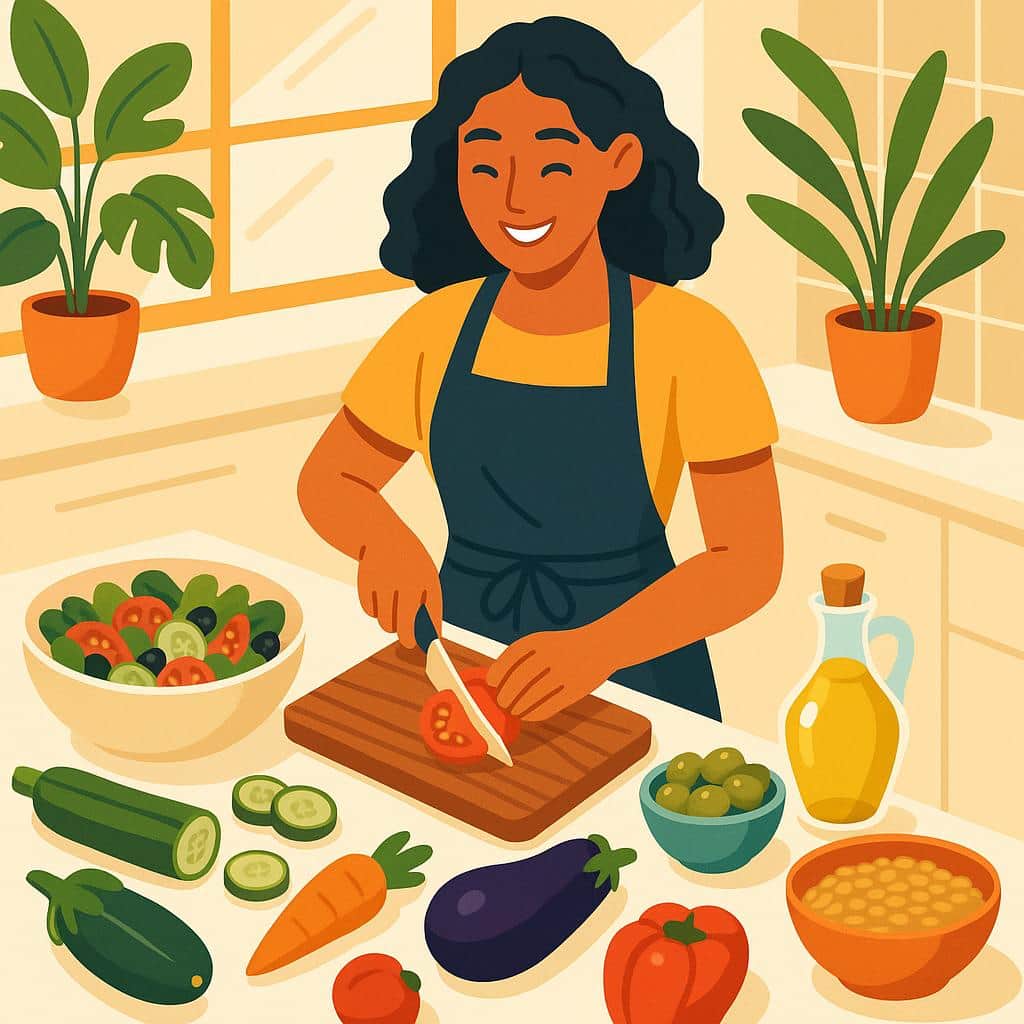
Many people feel best with a mostly whole-food, plant-forward pattern that emphasizes colorful fruits and vegetables, beans and lentils, nuts and seeds, and minimally processed whole grains. Fatty fish and other omega-3-rich foods can also support a healthier inflammatory balance, especially when they replace more highly processed fats.
That said, anti-inflammatory eating isn’t one-size-fits-all. What helps depends on your symptoms, digestion, and any conditions such as endometriosis or adenomyosis. If you’re trying to use nutrition to support pelvic pain, bloating, or cycle-related flares, our team can help you think through a realistic plan alongside your overall treatment approach. You’re welcome to reach out to schedule a consultation.
Where to go from here
Understand it, compare it with what you're feeling, then talk it through with us.
Step 3 · Speak with Us
Control Inflammation Through Diet
Our specialists tailor nutrition advice to ease your symptoms and improve your quality of life. Let us help you create a personalized eating plan for long-term relief.
Questions people ask next
All general questionsWhat does a balanced anti-inflammatory day of eating look like?
A balanced anti-inflammatory day usually centers on steady protein, plenty of fiber, and mostly minimally processed foods. Try oatmeal with yogurt and berries, a grain-and-greens bowl with salmon or legumes, and cooked vegetables with fish or tempeh at dinner.
How can I get enough omega-3s without eating fish?
You can support your omega-3 intake without fish by using plant sources such as ground flax, chia and walnuts consistently day to day. Some people also consider algae-derived EPA/DHA, which provides the same long-chain omega-3s found in fish.
Can foods worsen endometriosis symptoms?
Yes, certain foods can worsen endometriosis symptoms for some people, but there is no universal endometriosis diet. Eating patterns that increase inflammation or trigger gut symptoms can amplify pain, bloating, and fatigue.
What should I eat during a flare with pain, nausea, or diarrhea?
During a flare, we generally recommend small, simple meals with soft, cooked foods like broth-based soups, oatmeal, rice or scrambled eggs. Sipping fluids with electrolytes can help you stay hydrated, and temporarily limiting raw roughage, high-fat meals and very spicy foods can help.
Further reading
Endometriosis Diet: What Research Really Supports (and What It Doesn’t)
Learn what truly supports endometriosis symptom relief and improving your reproductive health, backed by reliable research and new evidence.
Optimizing the Microbiome to Support Endometriosis Care
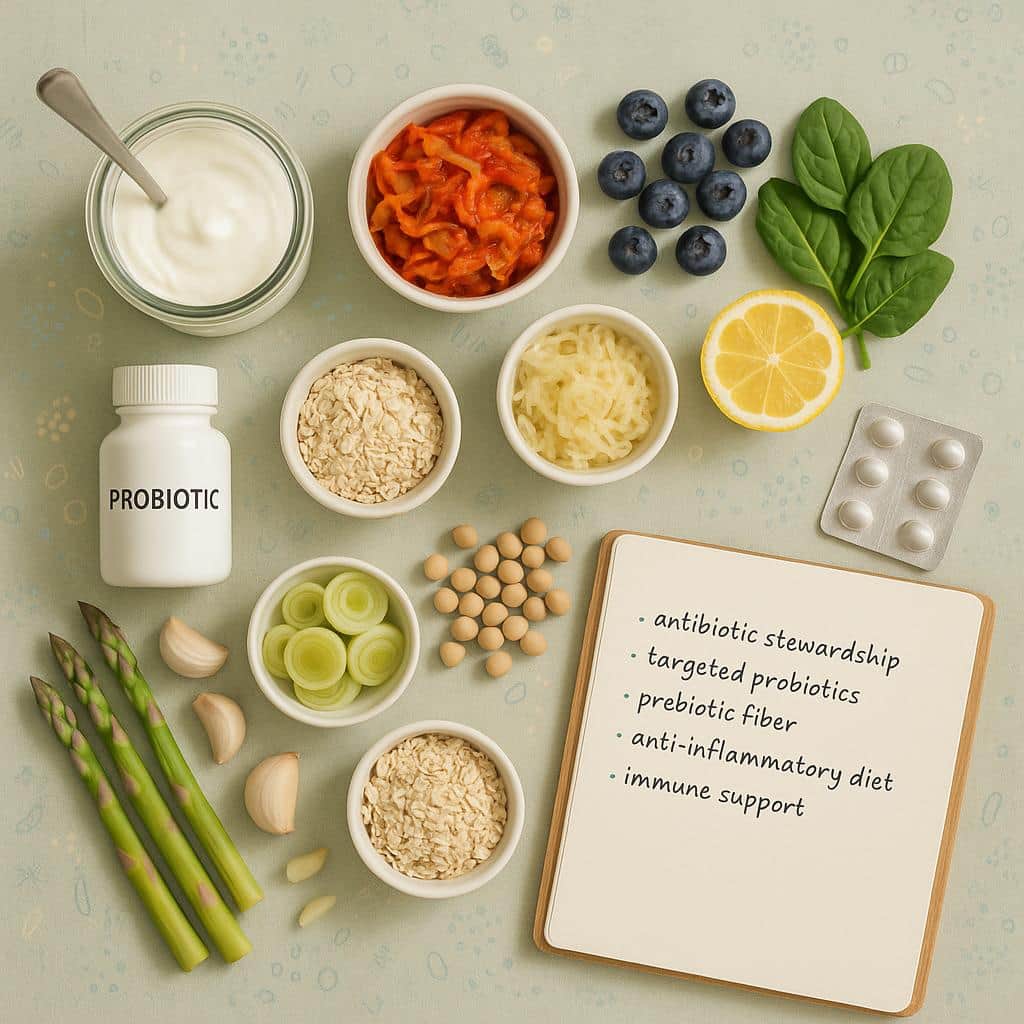
Learn how antibiotics, probiotics, prebiotics, diet and immunomodulation affect the endometriosis–gut axis, with practical, research-backed microbiome tips.
The Link Between Epigenetics, Diet, and Endometriosis
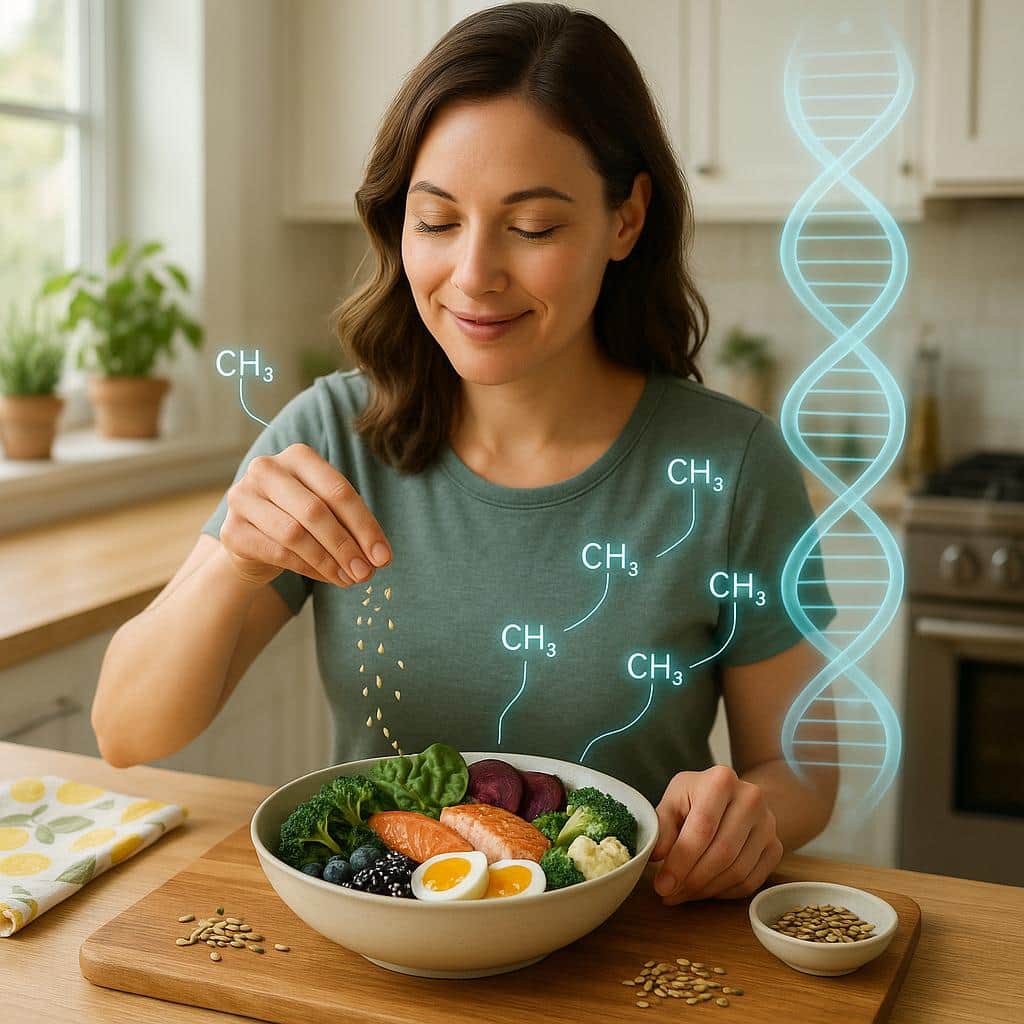
How epigenetic mechanisms and DNA methylation shape endometriosis, how your diet may modulate them, and the implications on your endometriosis care.